

 See My Latest Article on HelloNation
What Causes Outdoor Spaces to Get So Hot in Columbia, SC?
Summers in Columbia, SC are known for both heat and humidity, often stretching from late spring to early fall. Outdoor areas quickly absorb and radiate sunlight, especially in the afternoon. Surfaces like concrete patios, brick walls, dark decking, and even furniture cushion fabrics can trap warmth long after sunset. Little natural shade or airflow makes conditions even more uncomfortable.
Are There Effective Ways to Add Shade?
Adding shade is the most direct way to reduce outdoor temperatures. Even simple solutions can lower surface temps by several degrees. Some practical and locally common shade options include:
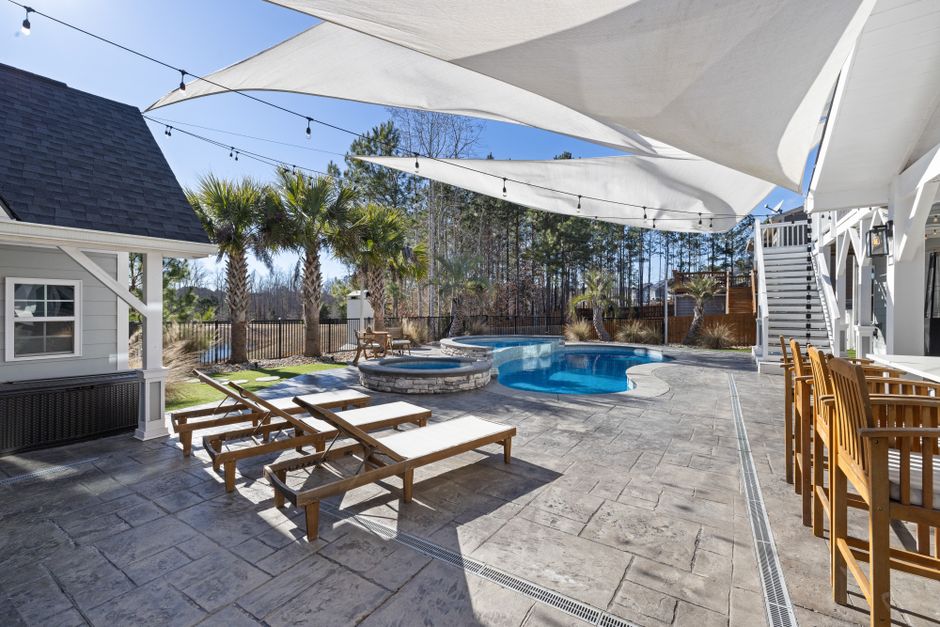
- Using umbrellas or shade sails for temporary relief, especially over seating areas or outdoor dining spaces. These can be repositioned with the sun’s angle and don’t require major installation.
- Planting fast-growing trees or tall shrubs at the edges of yards or patios. Species like crape myrtle and live oak, which adapt well to the local climate, provide relief within a few seasons.
- Installing pergolas with climbing vines or retractable fabric canopies. While structures require planning and some initial investment, leafy coverage helps cool the air beneath while blending nicely into garden landscapes.
- Hanging outdoor curtains on porches or pergolas. These are particularly useful on east- or west-facing sides that get direct sun.
Residents sometimes assume permanent shade structures are expensive or aren’t allowed by local codes. Actually, most neighborhoods allow temporary screens, umbrellas, or vegetation—even in smaller yards—without special permits.
How Much Can Fans and Air Movement Help?
Fans make a noticeable difference by moving humid air, even if they don’t lower the actual air temperature. In Columbia’s climate, the sensation of a breeze increases comfort by helping sweat evaporate. Some helpful ideas include:
- Using oscillating pedestal or wall-mount fans on porches or covered patios. Many outdoor-rated fans run quietly and withstand afternoon storms.
- Installing ceiling fans in screened porches or patios for continual, gentle airflow.
- Setting portable fans at ground level for areas like grilling stations or play spaces.
A common misconception is that fans should be placed up high; in reality, positioning a fan to blow at sitting or standing height provides the most relief. Also, avoid using fans in fully enclosed outdoor rooms on very humid days, as they may simply circulate warm, moist air.
Can Landscaping Choices Make Spaces Cooler?
Thoughtful landscaping impacts outdoor comfort year-round. For instance, grass and groundcover plants stay cooler than gravel, mulch, or artificial turf. Planting beds can also be arranged to block hot wind or direct sun at peak hours.
- Use mulch under trees and shrubs to help retain soil moisture and reduce heat radiating from the ground.
- Arrange planters or container gardens in clusters to create self-shading patches.
- Consider low-growing native plants that thrive without stressing local water supplies.
Residents sometimes underestimate how much hardscaping (concrete, pavers, decking) contributes to radiated heat in the early evening. Mixing in more natural materials and green cover can offset this effect.
What About Water Features?
Water has a cooling effect, both through evaporation and as a physical barrier to heat. Even small changes make a difference:
- Adding a fountain, birdbath, or misting system cools the immediate area. Misting lines or portable misters offer quick cooldown for patios, especially on high-humidity afternoons.
- Shallow kiddie pools or splash pads, popular with families, can serve as an immediate heat escape and are manageable for most yards.
- Placing water features in shaded spots increases the evaporative effect, as the air will be more comfortable and the water won’t heat up quickly.
Area households should ensure water features don’t promote standing, stagnant water, which may attract mosquitoes during the summer months.
Do Reflective or Light-Colored Materials Make a Noticeable Difference?
Light-colored surfaces reflect more sunlight, reducing heat buildup compared to darker options. Some simple swaps can have a lasting impact:
- Choosing outdoor cushions, rugs, or umbrellas in lighter shades instead of dark or saturated colors.
- Using pale pavers or concrete sealants that increase reflectivity.
- Painting wood fences, trellises, or sheds in neutral or pastel colors to help bounce light away.
This isn’t just a matter of taste. In local heat, these materials can feel far cooler to the touch and less likely to “store” heat that radiates back out in the evening.
How Can Layout and Timing Make Outdoor Time More Comfortable?
Staggering outdoor activities, rearranging furniture, or simply reframing habits adapts the outdoor experience to seasonal realities:
- Plan gatherings in the morning or early evening when temperatures are lower and the sun is less direct.
- Rearrange seating and grills to shaded parts of the patio or yard, even temporarily, to maximize cooling benefits.
- Encourage kids to play on the lawn instead of hard surfaces, and use splash pads or shaded sandboxes during peak heat hours.
Area traditions sometimes include evening barbecues or porch visits when the sun is lower; locals find this avoids the late afternoon’s peak heat.
Are Misting Systems or Outdoor Cooling Devices Worth Considering?
Personal misters, fan-attached misting heads, or simple hose attachments make a noticeable difference on patios and decks. These are more affordable than full-scale cooling systems and can often be installed by homeowners.
- Use misting fans near seating or dining areas for immediate relief.
- Portable evaporative coolers, sometimes called "swamp coolers," can lower air temperatures locally when humidity is not at its peak.
- Keep in mind, excessive mist can make damp surfaces slippery or impractical in very humid conditions, so position wisely for both comfort and safety.
For the Columbia area, simple misters are most beneficial on drier, breezy days rather than after heavy rains when humidity is already high.