

 See My Latest Article on HelloNation
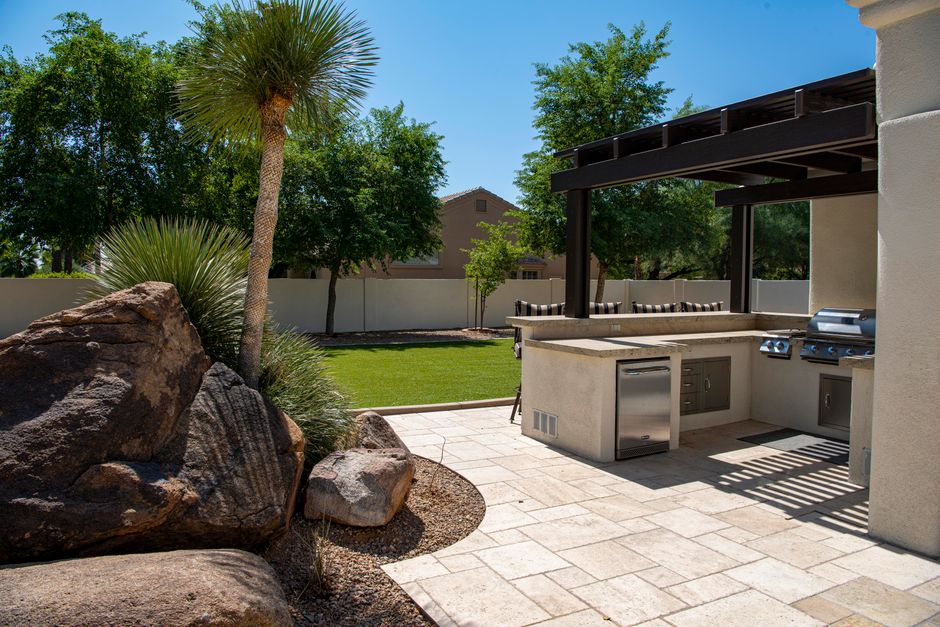
What Are the First Steps to Planning an Outdoor Kitchen Locally?
Outdoor kitchen installations in Columbia, SC begin with thoughtful planning that matches the region’s climate and typical backyard layouts. Start by assessing how you want to use the space, who will gather there, and how much room you need for cooking, dining, and relaxing.
- Measure your patio, deck, or designated area to determine available square footage.
- Think about Columbia’s humid summers and mild winters—shelter for shade and rain protection can make your space usable year-round.
- Plan utility connections (water, gas, electricity). Local codes may govern how and where these are added.
- Sketch a simple layout, prioritizing convenient access to your indoor kitchen, shade, and proximity to outdoor seating.
Deciding whether the space will be a simple grill station or a full-featured kitchen will shape your choices ahead.
What Permits or Regulations Affect Building an Outdoor Kitchen in Columbia, SC?
Any permanent outdoor structure—especially those involving plumbing, gas, or electrical work—often requires a permit in Columbia, SC. Failing to comply can lead to delays or the need to modify finished work.
- Check local building codes for setback rules, utility safety standards, and allowed structures.
- Most outdoor kitchens need ground-fault circuit interrupter (GFCI) outlets for safety, and hard-piped gas lines or plumbing work typically require licensed trade involvement.
- Homeowners in some neighborhoods may also need to follow HOA guidelines.
For basic grill islands without new utilities, fewer restrictions apply, but it is always best to confirm requirements with the city’s building department early in the process.
How Should You Prepare the Foundation and Utilities?
A stable, level base is essential for safety and longevity, especially with Columbia’s clay-rich soils that can shift with heavy rain or drought. Slab patios, concrete pavers, or reinforced decks are typical foundations.
To prepare:
- Remove any grass, mulch, or unstable material from the setup area. Compact the soil if you’re pouring new concrete.
- For patios: Use concrete pads or bricks with proper drainage to prevent water pooling.
- For decks: Check weight ratings and strengthen supports if needed.
- Mark locations for water, gas, or power lines and contact utility locators before digging.
- Lay utility conduits or sleeves before pouring a slab or anchoring pavers. This simplifies running pipes or wires later and avoids costly trenching.
It’s common to underestimate the space needed for safe appliance clearance and ventilation—use manufacturer guidelines for equipment distances.
How Do You Build the Supporting Structure?
The support structure, whether modular or built from scratch, holds all components securely and resists local weather conditions.
Materials for Columbia’s climate usually include:
- Concrete block (CMU): Durable, fire-resistant, and commonly used for custom builds.
- Steel-framed kits: Lighter but must be rust-resistant to handle humidity.
- Brick or natural stone veneer: Added for durability and regional style.
Construction steps generally follow this order:
1. Mark your layout with string and stakes.
2. Assemble the frame or block base on the prepared foundation.
3. Build up walls, leaving gaps for appliances, storage, and gas/water lines.
4. Add a countertop support (often concrete board or plywood topped with tile or stone).
Attention to detail is critical—uneven frames or missed openings can cause issues later with appliance fit and operation.
What Appliances and Features Should You Include?
Start with essentials that suit Columbia’s Southern cooking traditions and outdoor lifestyle:
- Built-in grill or smoker: Prioritize models designed for permanent outdoor installation.
- Side burners, sinks, or fridges: Increase versatility but may require additional utilities.
- Storage drawers and cabinets: Weather-resistant materials like stainless steel or polymer work best.
Think through:
- Layout: Keep hot appliances away from coolers or fridges.
- Safety: Include a vent for gas grills and never enclose a grill completely.
- Local needs: Covered spaces or ceiling fans help in humid weather, while drop-in coolers or ice bins are especially useful during summer get-togethers.
Always follow appliance manufacturer installation specs for clearances, venting, and electrical requirements.
How Are Countertops and Finishes Chosen for Outdoor Kitchens?
Outdoor countertops must endure local extremes of heat, moisture, and seasonal pollen.
Popular choices in Columbia include:
- Granite: Durable, resists staining when properly sealed.
- Concrete: Customizable and sturdy but needs sealing.
- Tile: Budget-friendly, but grout requires regular maintenance.
Installation tips:
- Cut and fit countertops only after bases are level and all appliances are test-fitted.
- Apply sealant per product instructions to handle rain and humidity.
- Choose finishes in lighter colors to reduce heat absorption on sunny days.
Veneer stone and tile backsplashes can enhance the look but always use exterior-rated materials designed for freeze/thaw cycles.
What Are Common Mistakes to Avoid?
Avoiding these typical pitfalls leads to better results and fewer headaches later:
- Skipping permits or ignoring code—can result in fines or costly fixes.
- Underestimating need for ventilation and drainage.
- Poor layout planning—appliances placed too close together or insufficient prep space.
- Choosing materials not rated for outdoor use (indoor cabinets will warp or rust quickly).
- Not planning for enough utilities or future expansion.
Many homeowners in the city also find that not considering shade, bugs, or heavy seasonal pollen impacts comfort, so screens or pergolas can improve usability.
How Do You Handle Final Touches and Maintenance?
The finishing stage involves connecting appliances, sealing surfaces, and testing all systems. Always turn on gas or electrical utilities after completing connections, checking for leaks or faults.
Maintenance in Columbia’s climate includes:
- Wiping down surfaces to prevent mildew and pollen buildup.
- Regularly testing electrical and gas components.
- Resealing countertops and checking cabinet fittings, especially after rainy seasons.
With sound preparation and an eye on local needs, area households can enjoy a safe, long-lasting outdoor kitchen for years to come.