

 See My Latest Article on HelloNation
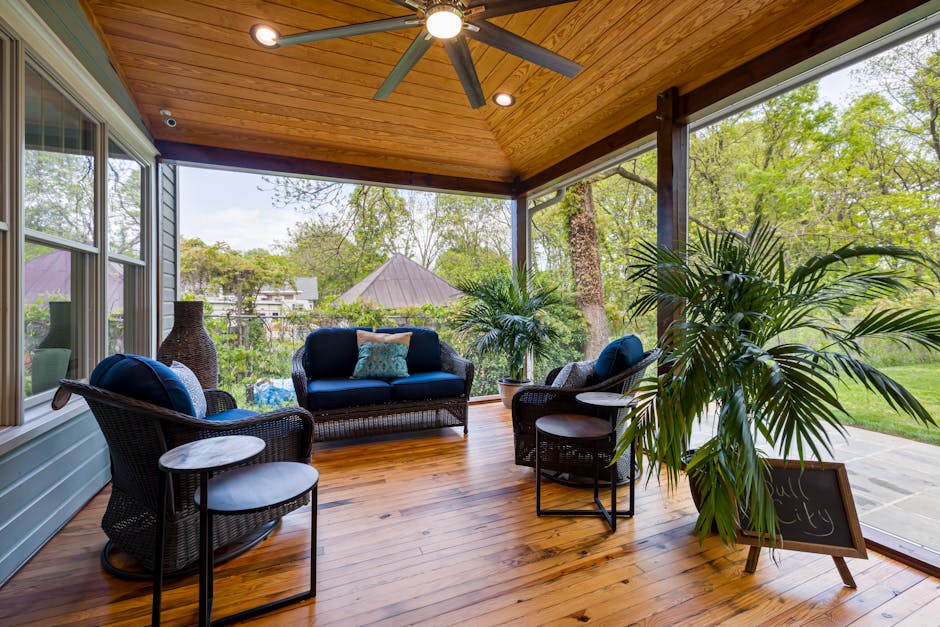
What Types of Outdoor Lighting Work Well in Columbia Backyards?
Most area households benefit from a mix of ambient, task, and accent lighting outdoors. With humid summers, variable rainfall, and mild winters, lighting choices should stand up to Columbia's climate while supporting safety and enjoyment year-round.
- Ambient lighting offers general illumination for patios and walkways. This includes options like string lights, post lights, or mounted fixtures that give a gentle, welcoming glow.
- Task lighting brightens specific areas such as grilling stations, steps, or entry points, improving safety and usability.
- Accent lighting highlights features like trees, gardens, or architectural elements, adding visual interest after sunset.
In the city, seasonal conditions and frequent backyard gatherings mean weather-resistant materials and long-lasting bulbs are practical priorities. Fixtures specifically rated for “wet” or “damp” locations are best for Columbia’s humid stretches and unpredictable showers.
Are LED Lights Suitable for the Local Climate?
Yes, LED lighting is an excellent choice in the Columbia area. LEDs stay cool to the touch, use much less power than incandescent bulbs, and hold up well in both muggy summer nights and cooler winter evenings.
- Most LED fixtures are available in a range of color temperatures. Warmer tones (around 2700K to 3000K) are popular for a cozy backyard feel, while cooler whites (4000K and up) can offer crisp security lighting.
- LEDs typically last thousands of hours, so replacing bulbs is less frequent—even in spaces used almost every night.
- Look for “outdoor rated” or “weatherproof” labels on LED fixtures and bulbs for reliable performance in Columbia’s year-round outdoor settings.
How Can Lighting Improve Backyard Safety?
Properly placed lighting helps prevent accidents and makes outdoor spaces more secure.
- Motion-activated floodlights near garage doors and side yards can help deter trespassing without needing to stay on all night.
- Step and path lights placed at regular intervals reduce trip hazards after dark, especially after heavy rain or when leaves and pollen settle on surfaces.
- Shielded or downward-aimed fixtures prevent glare, making it easier for residents and guests to see clearly without disturbing neighbors.
Residents should check for dark spots around stairs, gates, and paths—these can be addressed by adding a low-wattage fixture or solar path light.
What Should Be Considered for Wildlife and Insect Activity?
Columbia’s backyard wildlife is part of its charm, but lighting can impact both enjoyment and local ecosystems.
- Select warm or amber LEDs where possible—cool, blue-toned bulbs can attract more bugs and disrupt nocturnal activity for birds and pollinators.
- Limit uplighting on trees if owl or bat sightings are frequent, as these species can be sensitive to artificial light.
- Motion sensor or timer controls help cut down on unnecessary illumination, reducing the draw for insects during peak summer months.
Screened-in porches and well-placed porch lights can keep mosquitoes at bay without overwhelming the yard with brightness.
How Should Lighting Be Installed and Maintained for Durability?
Long-term performance in the city’s humid conditions depends heavily on correct installation and upkeep.
- All wiring and fixtures should be labeled for outdoor use, especially when exposed to rain or irrigation.
- Position ground-mounted lights a few inches above grade to avoid contact with mulch, puddles, or soil during thunderstorms.
- Clean glass covers and sensor windows several times a year, particularly after pollen season, to keep light output steady and controls working reliably.
- Choose fixtures made of corrosion-resistant materials—powder-coated metal, stainless steel, or heavy-duty plastic—rather than untreated steel, which can rust quickly in local weather.
Simple checks after summer storms, such as tightening loose fixtures or checking connections, can help spot issues before they become hazards.
How Bright Should Backyard Lighting Be?
Backyard lighting should provide sufficient visibility without overwhelming the space or shining into neighboring yards.
- Ambient lighting: 100–200 lumens per fixture is usually enough for social zones.
- Path and step lights: 50–100 lumens keep walkways clear while preserving a gentle mood.
- Accent and spotlights: Use higher outputs (200+ lumens) thoughtfully to highlight a single tree, sculpture, or fountain.
Over-lighting is a frequent mistake. Subtle, layered placement creates a warm, inviting space and respects neighbors’ privacy. Consider adjustable fixtures or dimmable bulbs for areas used for different activities throughout the year.
Are There Backyard Lighting Regulations in Columbia, SC?
Outdoor lighting is generally allowed, but homeowners should understand city codes and neighborhood association guidelines.
- In most neighborhoods, lighting must not cause “light trespass” into other homes.
- Shielded and downward-facing fixtures are best for minimizing light pollution, especially near protected natural areas.
- Some neighborhoods with historic districts or active associations may have additional rules about fixture style or placement. Residents can check Columbia’s municipal website or neighborhood covenants for current details.
Solar and low-voltage fixtures usually pose fewer compliance concerns as they’re lower impact, but all permanent electrical installations should meet basic safety codes.
What Are Some Practical, Often Overlooked Tips for Area Residents?
Several simple steps can make a big difference in backyard lighting success.
- Use timers or smart plugs to automate lights for dusk-to-bedtime operation, saving energy and boosting security while away.
- Plan lighting in layers—mixing styles and mounting heights helps avoid both shadows and glare.
- When hosting evening gatherings, temporary lighting such as lanterns or LED candles can supplement permanent fixtures for a festive touch.
- Review visibility from inside the home as well as out—well-placed backyard lights can make windows feel less like black mirrors at night.
Local residents often find that modest, thoughtfully placed lights and regular checks are more effective and attractive than high-output, single-fixture solutions.