

 See My Latest Article on HelloNation
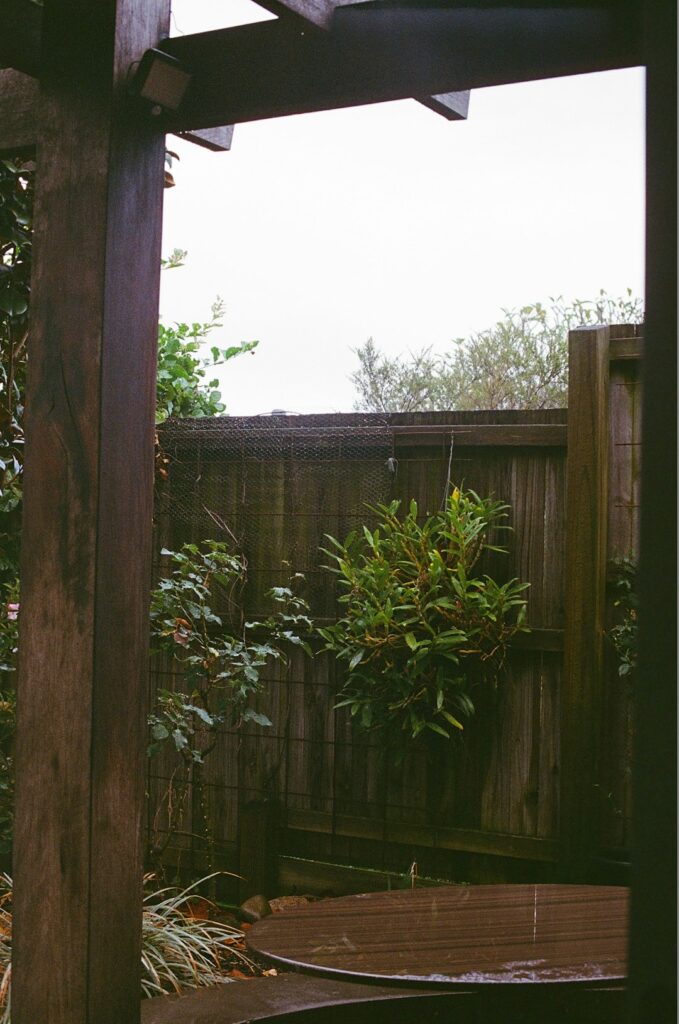
What Issues Commonly Undermine Outdoor Living Spaces in Columbia, SC?
Even thoughtfully planned outdoor spaces can fall short if local conditions and lifestyle needs are overlooked. In Columbia, SC, the combination of hot, humid summers, fluctuating weather, and verdant landscapes call for special attention when creating or updating patios, decks, and yards. Some of the most frequently encountered pitfalls include selecting materials that warp in the climate, neglecting shade, underestimating maintenance requirements, or forgetting privacy. Recognizing these mistakes in advance can help area residents enjoy comfortable, lasting, and usable outdoor retreats.
—
Are Certain Materials a Poor Fit for Columbia’s Climate?
Choosing the wrong materials for patios, decking, or furniture can lead to quick deterioration and disappointment. Materials such as untreated wood or low-grade metal may warp, rot, or rust rapidly in the region’s humidity and periodic downpours. Residents often find these problems pop up a season or two after installation, making the space less enjoyable and increasing repair needs.
Considerations for Columbia’s conditions:
- Wood decking should be pressure-treated or made from rot-resistant species, since moisture and termites flourish here.
- Metal fixtures and railings require weather-resistant coatings to fend off rust.
- Plastics exposed to intense sunlight may fade, crack, or get painfully hot in summer.
—
Why Does Ignoring Shade Create Problems?
Without shelters like pergolas, canopies, or tree coverage, open outdoor areas quickly become too hot to use consistently in Columbia’s summer sun. Many local residents regret not prioritizing shade, especially once late spring arrives and seating areas or decks become uncomfortably warm through much of the day.
Adding shade is more than a comfort issue:
- It protects outdoor furniture from rapid fading or heat damage.
- It makes the space inviting for more months of the year.
- Shade can help control glare inside the home when properly positioned.
—
How Much Maintenance Will Be Needed?
Underestimating the upkeep required for certain design choices is a common oversight. While a lush landscape or elaborate hardscape might look impressive at first, the ongoing maintenance can become a burden—especially during Columbia’s long growing season.
Typical underappreciated maintenance factors:
- Lawns and garden beds require frequent mowing, trimming, and weeding.
- Water features may develop algae or need mosquito control if not maintained.
- Natural wood decks and fences require regular cleaning and sealing due to moisture and pollen build-up.
Selecting features that match the household’s willingness and ability to maintain them helps ensure the outdoor space isn’t abandoned over time.
—
Is Privacy Often Overlooked?
Privacy issues tend to become obvious only after moving outdoor activities into a newly-finished space. Taller fences, privacy screens, or carefully placed shrubs can be crucial, particularly in neighborhoods where homes are close together or where yards offer little cover.
Many people assume existing fences or landscaping are adequate, only to discover:
- Neighbors' sightlines reach deep into outdoor dining or lounging areas.
- Evening lighting for gatherings or cookouts creates unwanted exposure after dark.
- Increased outdoor activity draws attention, affecting the feeling of retreat and relaxation.
Planning for both visual and noise privacy makes the space more flexible and enjoyable.
—
Are There Misconceptions About Drainage and Grading?
The heavy rains that sometimes hit Columbia, coupled with the clay-heavy soils, can quickly swamp outdoor living areas if the site is incorrectly graded or if drainage isn’t included in the plan.
Some drainage mistakes to avoid:
- Building patios or decks too low, which can lead to standing water and erosion.
- Overlooking downspout placement, which can flood pavements or planting beds.
- Not considering how pooled water affects mosquito activity and plant health.

Checking that surfaces slope properly and including solutions like French drains or gravel beds where appropriate is a smart move.
—
Do People Forget About Lighting and Electrical Planning?
Outdoor spaces in the city can be less useful than hoped if lighting and accessibility aren’t considered early on. Many residents realize too late that their deck or patio is limited to daylight hours, or that extension cords and mobile lights bring hazards and hassle.
Points to review in advance:
- Plan for weather-resistant outlets, not just lights, for cooking appliances or music.
- Add pathway lighting for safety and to extend usability into the evening.
- Solar fixtures may underperform if too shaded, especially under tree canopies.
Good lighting design adds security and transforms the feel of the space at night.
—
What About Wildlife and Pest Surprises?
Nature is part of the appeal of any outdoor setting, but local residents sometimes underestimate the impact of insects and critters. Standing water, uncovered food, or dense plantings may unintentionally attract mosquitoes, wasps, squirrels, or raccoons.
Common oversights include:
- Not screening under decks or making storage areas rodent-proof.
- Failing to plan defenses against fire ants and mosquitoes, which thrive in this region.
- Unsecured garbage or compost acting as an attractant for wildlife.
Ground-up planning with the local ecosystem in mind can prevent unwelcome encounters or ongoing hassles.
—
How Do People Accidentally Make Their Spaces Less Usable?
Sometimes a beautiful design simply doesn’t match a family’s real habits. Overbuilding, crowding with features, or neglecting access from the house can all make a space less functional.
Frequent usability gaps:
- Forgetting to provide easy access to the kitchen for outdoor dining areas.
- Overcommitting to large water features or outdoor kitchens that are rarely used.
- Skimping on comfortable seating or flexible open areas for kids or gatherings.
Talking through how the area will be used through all seasons—cooking, relaxing, hosting, or gardening—can help prevent regret down the line.
—