
 See My Latest Article on HelloNation
How Can Residents Integrate Pools into Their Outdoor Living Spaces?
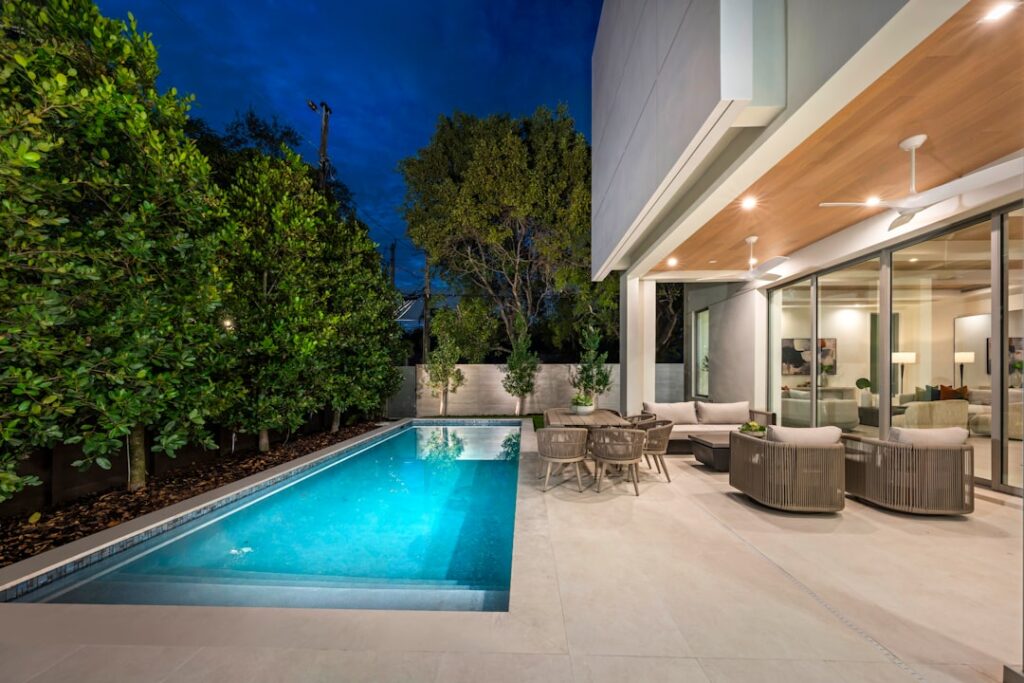
Blending a pool into an outdoor living area works best when form and function are balanced. In Columbia, SC, backyard pools are a popular escape from the region’s hot, humid summers, but they also serve as a focal point for relaxation, entertaining, and family time. To integrate a pool effectively, consider how poolside areas will connect to patios, lawns, and shaded retreats. Locals often extend outdoor seating, grilling stations, or even fire features to flow seamlessly around the pool, encouraging year-round use.
Careful planning should account for how people move between indoor and outdoor areas. Sliding doors, generous steps, or even sheltered walkways can connect the house to the pool and enhance accessibility, especially during unpredictable summer storms.
What Poolside Features Are Most Practical for Columbia’s Climate?
Many in the community want spaces that can withstand intense afternoon sun, thunderstorms, and seasonal pollen. Common design features that address Columbia’s unique climate include:
- Pergolas, arbors, or retractable canopies for shade.
- Durable, low-maintenance decking, such as textured concrete, stone, or high-quality pavers, which stay comfortable underfoot.
- Outdoor ceiling fans or misting systems in covered patios to help with heat and humidity.
- Easy-to-clean furniture and outdoor fabrics, given the long pool season and periodic pollen bursts.
Rains or high humidity can quickly make non-weatherproof furnishings and slippery tiles impractical, so focus on robust finishes in high-traffic zones.
Which Pool Layouts Work Best for Limited Backyard Space?
Homes in Columbia vary from sprawling lots to compact suburban yards. Smart design can make almost any yard work with a pool. For smaller spaces, residents often choose:
- “Cocktail” or plunge pools that fit modest footprints.
- Integrated spas with attached seating walls for cool weather.
- Pools shaped to leave room for patios, gardens, or play equipment.
In some neighborhoods, zoning or HOA rules may affect pool placement and fencing. Always verify local requirements before starting any construction.
How Should Privacy Be Considered in Pool and Outdoor Living Design?
Pool owners frequently ask about ways to enhance privacy. In Columbia, mature landscaping is a top solution, since evergreens, flowering shrubs, or tall grasses can block views while adding beauty. Other options include:
- Decorative fencing that meets both safety and visual goals.
- Trellises, screens, or outdoor curtains around lounge or dining areas.
- Strategic placement of seating so guests face attention inward toward the pool, not the property line.
A mix of plants and built features usually creates the friendliest atmosphere for gatherings while also reducing noise and visual distractions from neighboring properties.
What Are the Best Practices for Combining Pools with Outdoor Kitchens or Dining?
In this region, outdoor cooking and eating spaces are often located near the pool. To make them work together:
- Leave enough space between cooking areas and water to avoid hazards.
- Ensure surfaces are easy to clean and maintain, especially with heavy pollen seasons.
- Use non-slip pavers or matting where water and cooking may mix.
- Position grills and fire features downwind of common seating zones to minimize smoke.
Shaded or partially enclosed cooking areas help hosts prep food while keeping cool, but should always be designed so wildfire risks and proper ventilation are addressed.
How Can Lighting Enhance Poolside Living After Dark?

Strategically placed lighting adds evening ambience and helps with safety. Popular local approaches include:
- Pathway, step, and landscape lights for visibility after sunset.
- Under-coping or pool edge lighting that gives a soft, inviting glow.
- Subtle spotlights for highlighting plants or outdoor art.
Harsh security-style lighting is best avoided; warm, shielded fixtures create a relaxing setting while keeping glare away from the water.
What Are Some Common Mistakes When Designing Outdoor Living Spaces with Pools?
Residents sometimes overlook how furniture, shade, or landscaping will actually function together. Typical oversights include:
- Installing too much hard surface and not enough shade, making spaces hot and uncomfortable.
- Choosing delicate plants or finishes that can’t withstand pool water, rambunctious play, or dogs.
- Skimping on storage for pool equipment, toys, and cushions.
Columbia’s long pool season means these spaces get frequent use, so it helps to plan for durability, convenience, and the flexibility to adjust features as needs change.
What Unique Local Touches Add Value to Poolside Living?
Area households enjoy customizing with features that celebrate local traditions and lifestyles. Examples include:
- Outdoor fireplaces or fire pits to extend use into cooler months.
- Deep porches with ceiling fans, echoing classic Southern architecture.
- Rain gardens or bioswales near pool edges, which help manage sudden downpours and runoff in the city’s rainy seasons.
- Incorporating local stone or brick into walls or patios for a regional look and long-term durability.
These elements honor the region’s character and ensure outdoor spaces feel at home in their environment.