

 See My Latest Article on HelloNation
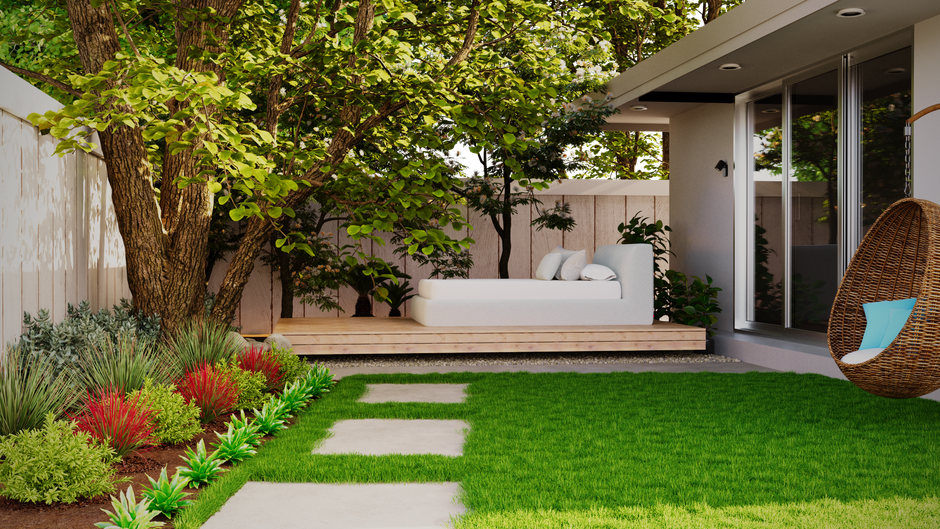
What Does "Shade" Really Mean in Columbia, SC Yards?
Most shaded spots in Columbia are created by mature hardwood trees, house eaves, fences, or neighboring buildings. Understanding the type of shade your space receives is vital. Shade is typically grouped into three categories:
- Light or Dappled Shade: Areas where sunlight filters through high tree canopies, providing a soft, partial light throughout the day.
- Partial Shade: Spots that receive direct sunlight for 2-4 hours, usually in the morning or late afternoon.
- Full Shade: Locations that get little to no direct sun, especially on the north sides of homes or under dense evergreen foliage.
Knowing which category your space fits into helps narrow down which plants will realistically grow well.
Which Shade-Loving Plants Grow Well in Columbia’s Climate?
Plants that succeed in shaded locations around Columbia should tolerate heat, humidity, and the heavy clay soils common in area yards. Some popular and resilient options include:
- Ferns (like Autumn fern or Southern wood fern): Adapt easily, especially in moist shade.
- Hostas: Suitable for partial to full shade; offer diverse leaf shapes and colors.
- Heucheras (Coral Bells): Provide pops of color; tolerate summer heat if kept mulched.
- Japanese Aucuba: Evergreen shrub with glossy leaves that thrives in deep shade.
- Camellias: Good for filtered light, adding color with winter or early spring blooms.
- Pachysandra and Vinca minor: Low-growing groundcovers for persistent shade.
Native plants usually outperform exotics regarding disease and drought resistance. Look for options like wild ginger (Asarum canadense), Christmas fern, and greenandgold (Chrysogonum virginianum) for reliable results.
How Should Soil Be Prepared for Shade Plantings?
Shade doesn’t eliminate the need for healthy soil. Begin by checking for compaction—especially common under large trees—and gently loosen soil where possible. Incorporate two to three inches of organic matter such as compost or pine bark fines. This helps:
- Improve drainage and moisture retention in Columbia’s prevalent clay soils
- Add nutrients needed for healthy root growth
If planting underneath mature trees, avoid damaging roots. Instead, add a layer of compost and plant in shallow pockets, then mulch lightly (2" or less) to retain moisture.
Are There Seasonal Considerations for Shaded Spots in the Region?
Yes, Columbia’s long, hot summers demand careful plant choices and maintenance. Most shade-tolerant plants here appreciate:
- Morning sun and afternoon shade, if possible, to avoid leaf scorch
- Extra water during late summer, especially if rainfall is low
- Mulch to regulate soil moisture and temperature
Many shade gardens in the city come to life in spring, before tree canopies fill out. Plan for late-season interest by mixing evergreen groundcovers or foliage-focused perennials with early bloomers.
Can Any Colorful Flowers Grow in Shady Areas?
While deep shade limits flowering, several plants can provide color beneath trees or along north-facing walls:
- Astilbe: Sprays of pink, red, or white in late spring; prefers moisture.
- Hydrangea macrophylla: Large blooms, especially in morning sun and afternoon shade.
- Toad lily (Tricyrtis): Orchid-like flowers in late summer to fall.
Foliage color also boosts visual interest. Variegated varieties of hosta, aucuba, or caladiums combine shade tolerance with decorative leaves.
What Are Common Mistakes When Selecting Plants for Shade?
Choosing shade-loving plants that are not suited for Columbia’s heat and humidity frequently leads to disappointment. Other pitfalls include:
- Overwatering or under-watering: Shaded areas typically dry out slower, but tree roots may compete for moisture
- Ignoring deer: Many shade plants, such as hostas, are deer favorites—consider a fence or less-palatable options
- Planting in dense root zones: Avoid disturbing major tree roots, and use small plugs or groundcovers to establish plants gradually
Adding too much mulch or piling it against plant stems can also cause rot, especially during muggy summers.
How Can Residents Create a Low-Maintenance Shade Garden?
Start with plants proven in the Piedmont and Midlands region, then:
- Group plants with similar water and light needs
- Allow spacing for mature size—shade-grown plants often spread wider as they reach for light
- Use drifts of groundcovers for weed control and moisture retention
- Limit thirsty annuals in favor of perennials or evergreens
Selecting low-fuss plants and prepping soil well up front pays off in fewer hours spent weeding, watering, and replacing failed plants each year.