

 See My Latest Article on HelloNation
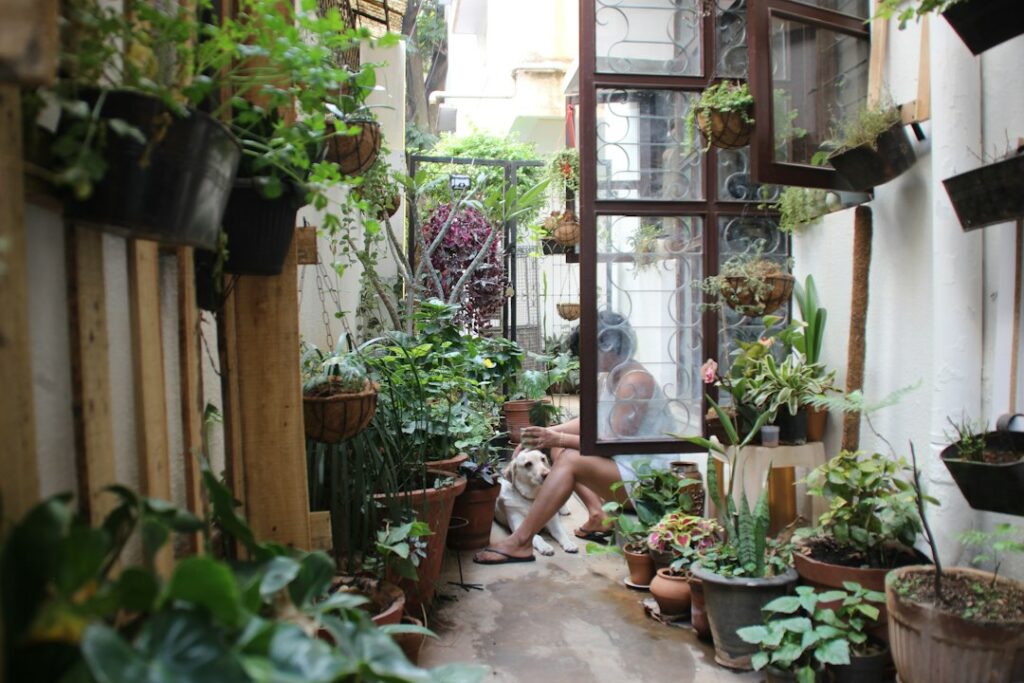
Urban outdoor areas do not need to be large to be useful. A shaded patio, narrow side yard, balcony, or compact courtyard can support meals, gardening, quiet time, and social gatherings when the layout responds to sun, drainage, privacy, and everyday routines.
In Columbia, SC, outdoor planning also needs to account for long hot seasons, intense afternoon sun, humid conditions, sudden rain, and periods of heavy leaf or storm debris. The most successful spaces are usually designed around comfort and maintenance rather than appearance alone.
What makes an outdoor space work in an urban setting?
A practical urban outdoor space has a clear purpose, comfortable circulation, and features that fit the available area. Trying to include too many functions can make a small yard feel crowded.
Start by identifying how the space will actually be used:
- A dining area needs a stable surface, room for chairs, and convenient access to the kitchen.
- A lounge area benefits from shade, airflow, and enough clearance to move around seating.
- A gardening space needs dependable sunlight, water access, and protection from excessive heat.
- A play or pet area requires durable surfaces and an unobstructed zone.
- A combination space may need movable furniture so one area can serve several purposes.
Measure the usable area before choosing furniture or structures. Include door swings, gates, steps, utility equipment, property boundaries, and the path people use to enter and leave the home. In compact settings, circulation space is often more valuable than one additional chair or planter.
How can a small patio feel larger?
A small patio feels more spacious when the design keeps the center open and places larger elements around the edges. Furniture with narrow profiles, folding parts, or multiple uses can preserve flexibility.
Consider these approaches:
- Use a small dining table that can also serve as a work or gardening surface.
- Choose benches along a wall instead of several individual chairs.
- Place planters at corners rather than scattering them throughout the walking area.
- Use a consistent color range for paving, furniture, and containers to reduce visual clutter.
- Create one strong focal point, such as a shade tree, planted container group, or textured wall.
- Keep the main route from the house to the yard clear.
Vertical features can add privacy and greenery without taking up much floor area. Trellises, wall-mounted planters, narrow screens, and climbing plants may be useful, but they should not block windows, interfere with drainage, or create difficult-to-maintain gaps beside structures.
Which materials hold up well in Columbia’s climate?
Materials should be selected for heat, moisture, ultraviolet exposure, and maintenance needs. A surface that looks attractive when new may become uncomfortable or slippery if it retains water or becomes excessively hot.
For walking and seating areas, look for surfaces that are stable, reasonably slip-resistant, and easy to clean. Light- to medium-colored materials generally absorb less heat than very dark surfaces, although glare can become a concern in bright locations.
Wood can create a comfortable, natural setting, but it requires attention to moisture, staining, insects, and periodic maintenance. Composite materials may reduce some upkeep but can still become hot in direct sun. Concrete is durable and adaptable, though large unshaded areas may reflect heat and make a patio less comfortable during summer afternoons.
Whatever material is used, installation should support drainage. Water that collects near a foundation, doorway, retaining edge, or seating area can create long-term problems. A visually attractive surface is not a successful improvement if rainwater has nowhere to go.
How should shade and heat be handled?
Shade is one of the most important features in an outdoor space used during warm weather. In Columbia, afternoon heat can make an otherwise attractive patio uncomfortable for much of the year.
Permanent shade may come from a properly placed tree, roof extension, pergola, or covered seating area. Flexible options include umbrellas, retractable coverings, and shade panels that can be adjusted as the sun changes. Each option has tradeoffs involving wind, maintenance, drainage, and structural support.
Trees can provide cooling that fabric coverings cannot, but their mature size, root growth, leaf drop, and proximity to foundations or overhead utilities should be considered before planting. Smaller trees or large shrubs may be more appropriate for tight urban lots.
Air movement matters as much as shade. Avoid enclosing a patio so tightly that humid air becomes trapped. Screens can reduce insects and add privacy, but they should be balanced with ventilation and visibility.
What privacy ideas work without making a yard feel enclosed?
Privacy can be improved through layers rather than a solid barrier across the entire boundary. A combination of fencing, plants, furniture placement, and changes in elevation often feels more natural than a tall uninterrupted wall.
Useful strategies include:
- Position seating so people face inward rather than toward neighboring windows.
- Use lattice or slatted screens where airflow and filtered light are desirable.
- Plant evergreen or semi-evergreen screening plants where year-round privacy matters.
- Combine plants of different heights instead of relying on one dense row.
- Place a pergola or shade structure above the seating area to create a sense of separation.
- Use containers near entrances, patios, or exposed corners.

Privacy plantings need enough room for mature growth. Plants placed too close to fences, siding, or paved areas may become difficult to prune and can hold moisture against surfaces. Dense vegetation can also reduce airflow if it is packed tightly into a narrow space.
How can outdoor spaces support gardening in the city?
Urban gardening works best when plant selection matches available sunlight and watering habits. A space that receives only a few hours of light should not be planned like a full-sun vegetable garden.
Containers are useful for herbs, flowers, vegetables, and small fruiting plants because they allow soil, placement, and drainage to be controlled. They also make it easier to move plants away from extreme heat or protect them during unusual weather.
Use containers with drainage holes and place them where excess water will not stain surfaces or flow toward a building. Lightweight containers are easier to move, but they may dry out more quickly or become unstable in strong wind.
Raised beds can provide productive growing space in a small yard, although they need sufficient depth, reliable watering, and protection from animals. A simple arrangement of herbs near the kitchen may provide more everyday value than a larger garden that requires frequent attention.
What drainage and stormwater issues should be considered?
Rainwater should be part of the design from the beginning, not treated as a later correction. Urban properties often have limited soil area, compacted ground, paved surfaces, and neighboring structures that influence how water moves.
Observe the space during and after a heavy rain. Look for standing water, muddy edges, erosion, overflowing gutters, and runoff moving toward doors or foundations. Small changes such as adjusting downspouts, adding permeable surfaces, improving soil, or creating a planted drainage area may help manage water.
Permeable paving can allow some rainfall to soak into the ground, but it is not a complete solution if the underlying soil drains poorly. Likewise, a rain garden must be placed where it can receive water safely without keeping the area next to a foundation saturated.
Before changing grading, installing a substantial structure, or altering drainage near property lines, check applicable local requirements and property agreements. Urban improvements can affect neighboring lots when water is redirected.
How can outdoor spaces remain comfortable after dark?
Lighting should support safe movement without creating glare for nearby homes or drivers. Low-level path lighting, step lighting, and focused illumination near doors are often more useful than bright lights across the entire yard.
Use separate lighting zones for entrances, seating, dining, and planting areas. Warmer, lower-intensity lighting can make a small space feel calmer, while fixtures aimed downward help limit glare and unnecessary light spill.
Outdoor electrical features need weather-appropriate equipment and safe installation. Extension cords should not become a permanent substitute for properly protected outdoor power, especially where water, children, or pets are present.
Which urban outdoor improvements usually require extra caution?
Structures attached to a home, significant electrical work, major grading, retaining walls, gas equipment, and changes near property boundaries may involve safety requirements or local rules. Overhead utilities, underground lines, easements, and neighborhood restrictions can also affect what is practical.
For routine projects, careful planning and maintenance may be enough. More complex work should be reviewed for code, structural, drainage, and utility concerns before construction begins.
A useful urban outdoor space does not depend on elaborate features. Clear circulation, dependable shade, comfortable seating, manageable planting, and responsible water control usually matter more than size. Designing around the local climate and the household’s actual habits makes a compact area easier to use throughout the year.