

 See My Latest Article on HelloNation
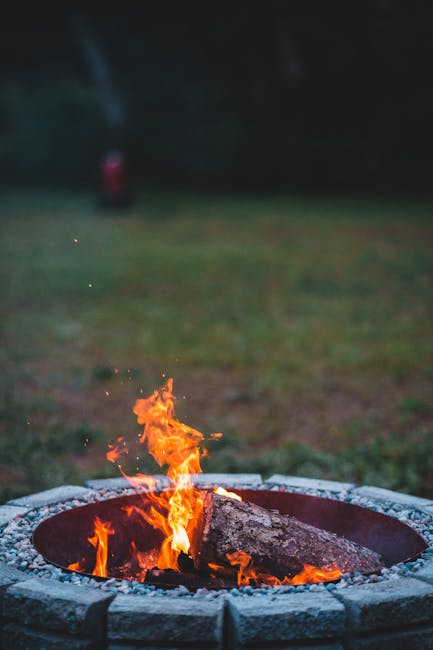
What Local Residents Should Know Before Building a Fire Pit Area
Building a fire pit area can enhance outdoor living and extend the use of backyard spaces during the region's mild winters and cool evenings. In Columbia, SC, considerations like local ordinances, climate, and lot size all come into play. Before starting, check city rules on open burning and setback requirements, as many neighborhoods have guidelines for fire safety and property lines.
Do Columbia, SC Regulations Allow Backyard Fire Pits?
Columbia, SC permits backyard fire pits with certain restrictions. Fires must be contained, attended at all times, and located a safe distance away from structures, fences, and other combustibles. Most homes in the city's neighborhoods will need to keep a fire pit at least 25 feet from houses and overhanging branches. Unattended burning or using unsafe materials like construction debris is not allowed. Residents should review local fire safety codes and may need to notify the city if planning a permanent installation.
How Do You Choose the Best Location for a Fire Pit in This Area?
The best fire pit location balances safety, convenience, and comfort. Set up on a flat, level surface in an open area, away from fences, garages, sheds, and especially beneath live oak or pine canopy, which can drop flammable debris.
- Avoid low-lying spots where water collects after heavy South Carolina rains; this prevents water pooling in the pit and discourages mosquitoes.
- Look for good airflow to dissipate smoke but avoid areas heavily exposed to wind, as gusts may scatter embers.
- Position seating where people can enjoy the warmth but not crowd the heat source.
Consider how the area is used during the summer heat: fire pits near patios or kitchens provide warmth in the cooler months, but may be less desirable in Columbia’s hot, humid seasons.
What Materials Work Best in Columbia’s Climate?
Materials for fire pits and seating areas must withstand humidity, frequent rains, and rapid temperature changes. Stone, concrete, and brick are popular choices because they:
- Resist weathering and mold growth
- Do not transmit heat quickly (reducing burn risk)
- Are easy to maintain after pollen season or storms
Metal fire pits are widely available but may rust faster in humid parts of South Carolina unless made from stainless steel or treated iron. Wood should be used with caution; only kiln-dried, untreated firewood is safe to burn, as pressure-treated wood releases harmful gases.
How Do You Ensure Proper Drainage and Longevity?
Standing water and soggy soil can rapidly degrade a fire pit and create a breeding ground for pests. Ensuring drainage is essential in the local climate:
- Dig the fire pit base below grade and add a gravel layer for drainage
- Optional: Install a French drain if the site has clay-heavy soil or poor drainage
- Sweep or rinse patio surfaces regularly to keep ash and debris from clogging natural drainage routes
Paver stones or decomposed granite around the pit area help manage foot traffic and further support drainage, minimizing muddy spots during wet seasons.
What Are the Key Safety Practices for Fire Pit Use in Columbia?
Fire pit safety starts before the first fire is lit and continues through every use. Frequently overlooked safety tips include:
- Never use lighter fluid or gasoline—stick to matches, a starter log, or a chimney starter
- Always keep a hose, bucket of sand, or fire extinguisher nearby
- Burn only dry firewood; yard debris or trash poses hazards and is often against city rules
- Avoid fires on gusty days, as sudden breezes can blow sparks into grass or woods
Afterward, fully extinguish the fire: pour water, stir ashes, and confirm that coals are cool to the touch before leaving the site unattended. Store ashes in a metal container, and check local rules for yard waste disposal.
Are There Special Considerations for Families or Pets?
For area households with children or pets, take extra steps to make the fire pit area safer:
- Mark a clear boundary using stones or low fencing to remind kids and animals not to enter
- Select seating with sturdy backs and avoid cushioned patio furniture too close to the flames
- Use spark screens or covers when the pit is not in use
Education is also critical; talk with kids about fire safety and supervise whenever the fire pit is in or near use to prevent accidents.
What Common Mistakes Do Homeowners Make?
Several issues can compromise safety and decrease fire pit enjoyment:
- Building too close to trees, structures, or property lines
- Using poor-quality materials that deteriorate quickly in weather
- Neglecting drainage, leading to standing water and potential fire pit collapse
- Ignoring local regulations, risking fines and neighborhood complaints
- Burning inappropriate materials or leaving fires unattended
Careful planning avoids these problems and helps the fire pit last through South Carolina’s humid summers and occasional winter cold snaps.
How Can Residents Maintain Their Fire Pit Area Year-Round?
Regular maintenance protects the fire pit and keeps gatherings safe and enjoyable:
- Remove ashes after every use; moisture and organic matter speed up rust and mold
- Check stones and bricks annually for cracks or settling
- Inspect metal parts for rust, applying heat-resistant paint as needed
- Trim shrubs and tree branches routinely to keep space clear
- Clean the area each spring and after thunderstorms to remove debris from the pit and drainage bed
Proper care extends the lifespan of a fire pit and keeps it ready for use when gathering outdoors with friends, family, or neighbors.