

 See My Latest Article on HelloNation
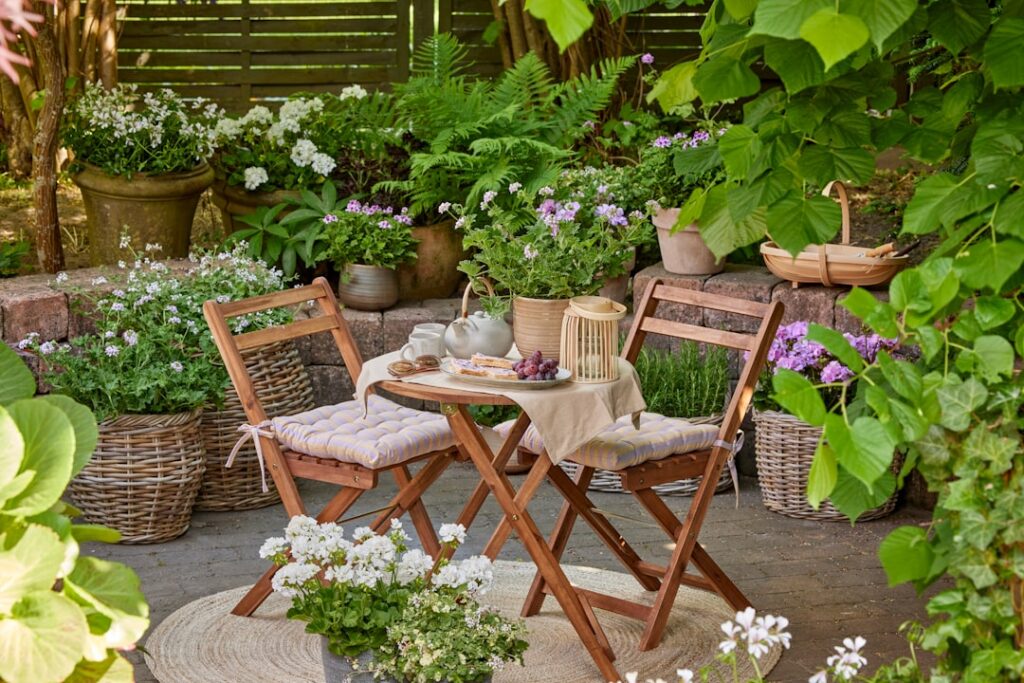
How Can You Maximize Usable Space in a Small Patio?
Prioritizing furniture size, layout, and storage has the greatest impact on how functional a small patio feels. Begin by measuring the area and thinking about the movements and uses you value most—such as dining, reading, or small gatherings.
- Opt for compact, multi-use furnishings like folding chairs, stackable stools, or tables with built-in storage below.
- Arrange seating to the edges and use benches or stools that can slide underneath tables.
- Choose lightweight items that can be easily moved as needed, especially for those quick changes before a cookout or when extra space is briefly needed for plant watering or children’s play.
Local homes often feature patios with partial shade from mature trees or eaves; use this to your advantage by placing seating in naturally cooler areas during Columbia’s hot summer months.
What Kinds of Furniture Work Well for Small Patios?
Furnishings that serve more than one role or can be put away quickly are key.
Start with everyday weather factors in the city—humid summers, mild winters, and frequent rains mean outdoor furniture should withstand moisture and dry out fast. Resin wicker, powder-coated metal, and treated wood are common choices. Fabrics should be mildew-resistant and easily washable.
Useful furniture options for compact patios:
- Bistro tables instead of full dining sets
- Stackable or folding chairs
- Benches with storage compartments
- Nesting side tables
It’s smart to reserve floor space by hanging planters, lanterns, or even a hammock chair from sturdy beams (checking weight limits if you live in a townhome community).
How Can You Add Privacy Without Sacrificing Openness?
Small patios in neighborhoods across Columbia sometimes lack privacy due to tight lot lines or shared fences. Soft barriers can deliver seclusion while keeping a space airy.
- Install freestanding lattice, bamboo screens, or weatherproof outdoor curtains to create privacy “walls” on one or two sides.
- Use tall potted plants, such as palms or ornamental grasses, which thrive in the region’s climate and add a green buffer.
- Rail planters with trailing vines or lightweight movable trellises work well in attached homes and won’t block airflow or light.
If your HOA has rules about structures or screening, consult guidelines before making changes.
What Are the Best Plants for Small Patios in Columbia?
Choose compact, container-friendly greenery that suits the South Carolina Midlands conditions—hot growing seasons, occasional cold snaps, and variable rainfall.
Low-maintenance options include:
- Dwarf boxwood, loropetalum, and azalea for shrubs
- Ferns and caladiums for shady corners
- Small citrus trees or pots of rosemary, basil, and mint for edible appeal
Group pots in threes, using stands to create vertical dimension without crowding the ground. Self-watering planters may be helpful in stretches of high heat or for residents who travel often.
How Do You Create Shade on a Small Patio?
Shading is essential in Columbia, especially during late spring through early fall when afternoon sun can make patios uncomfortable.
To create comfort without enclosing the area:
- Stretch a weather-resistant fabric shade sail between posts or hooks, which offers relief without taking up space.
- Consider a petite umbrella with a tilting feature for flexible protection; these can be closed and stored easily.
- Hang outdoor curtains that can be pulled aside to control sun at different times.
- Place tall, leafy plants near seating areas for dappled, movable shade.

Aim to anchor shade features securely, as sudden storms can bring strong winds.
How Can Lighting Improve a Small Patio’s Ambiance and Use?
Proper lighting extends the hours a small patio is comfortable and adds a cozy feel. Given local weather, look for water-resistant, outdoor-rated fixtures.
- String lights or battery-powered lanterns create soft illumination for evenings without harsh glare.
- Solar stake lights provide gentle path lighting and are easy to rearrange as patio needs change.
- Clip-on or magnetic lights can brighten dark corners and move with you, ideal for reading or crafts.
Aim for layered, indirect lighting to avoid attracting bugs or overwhelming the limited space.
What Are Common Mistakes When Designing a Small Patio?
Overfilling a small patio or using large, fixed pieces that block movement are among the top issues Columbia residents encounter.
Other frequent missteps:
- Relying exclusively on ground-level decor, which can make a space feel cramped.
- Ignoring drainage or sloping issues, which are relevant given the city’s periodic heavy downpours—water pooling can damage furniture and limit patio use.
- Choosing delicate planters or decor that can’t withstand the combination of heat, humidity, and the sudden cold snaps sometimes felt in the area.
Instead, keep arrangements flexible, and follow best practices for weatherproofing.
How Should You Maintain a Small Patio in This Climate?
Regular upkeep protects small patios from the extremes in local weather and maximizes their life and usability.
- Sweep or hose down surfaces after pollen season and after storms to prevent buildup and slippery spots.
- Store cushions and delicate items indoors or in a weather-resistant storage box during prolonged rainy or humid spells.
- Check for signs of mildew or algae, especially in shaded or north-facing spots, and clean using gentle outdoor-safe solutions.
For patios with pavers or brick, watch for sinking or loose sections that can become tripping hazards after cycles of rain and sun.