

 See My Latest Article on HelloNation
What Are Easy DIY Projects to Improve a Backyard in Columbia, SC?
Residents in Columbia, SC seeking practical ways to refresh their outdoor spaces can choose from a range of manageable upgrades that don’t require specialized skills or major renovations. These projects focus on maximizing existing yard layouts and adapting to local climate conditions, including hot, humid summers and mild winters.
Common backyard improvements include constructing garden pathways, assembling raised beds, creating outdoor seating, adding lighting, or building small privacy screens. Each of these can be completed with basic tools, affordable materials, and minimal experience.
How Can Pathways Enhance Outdoor Spaces, and What Materials Work Best?
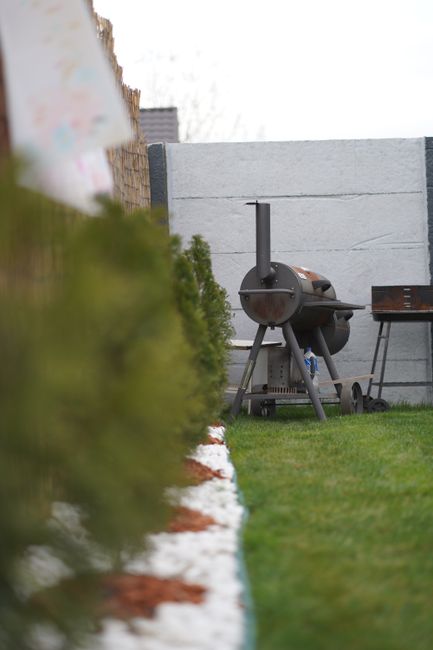
Simple walkways add structure and functionality to any yard by guiding foot traffic, connecting outdoor features, and minimizing lawn wear. In the Columbia area, mulched or gravel paths are well-suited to the region’s soil and rain patterns since they allow for good drainage and rarely require frequent maintenance.
- Gravel or crushed stone: Available from local home improvement stores in bags or bulk. Spread at least two inches deep over landscape fabric to block weeds.
- Pine straw or bark mulch: Commonly used in the Southeast; easy to lay and replace.
- Stepping stones: Create a defined path with precast pavers spaced for natural strides—practical for wet or shady areas.
Local tip: Plan paths to avoid natural drainage lines, especially after heavy seasonal rains. This prevents washouts and prolongs a tidy appearance.
Which Raised Beds Suit Columbia Yards for Easy Gardening?
Raised garden beds let residents enjoy small-scale vegetable or flower gardening, even in clay-heavy local soils. Kits and ready-made options are available, but building your own structure from untreated pine, cedar, or composite planks takes only a short afternoon.
- Standard size is about 4 feet wide (easy to reach across) and 6–8 feet long.
- Secure corners with galvanized screws or brackets.
- Add a hardware cloth base if burrowing critters are common in the neighborhood.
Fill with a blend of topsoil, compost, and locally available amendments to suit plant choice—this blend can be tailored for culinary herbs, tomatoes, or native pollinator flowers. Place beds in areas with at least six hours of sunlight, which is typical for most Columbia yards.
What Are Some DIY Seating Options for Informal Gatherings?
Outdoor seating boosts the comfort and use of backyard spaces. Simple benches, cinderblock sofas, or repurposed wooden pallets fit most patios and can stand up to the city’s wet-dry seasonal cycles if sealed or painted.
- Pallet furniture: Use sanded recycled pallets for low, rustic benches or coffee tables.
- Cinderblock and wood benches: Stack cinderblocks as a base, thread boards through for seating.
- Stump stools: Sand and finish log or stump sections left over from tree removals for sturdy, moveable seats.
Regularly check any wooden furniture for signs of mold or decay after rainy spells—prompt sanding and resealing will extend its life in the humid Columbia climate.
How Can Lighting Improve Usability and Safety After Dark?
Adding solar, battery-powered, or low-voltage lighting helps residents use outdoor areas safely in the evenings and shows off plantings or patios. The city’s plentiful sunny days make solar garden lights practical and affordable.
- String lights: Drape along fences, porches, or pergolas for a welcoming glow.
- Solar stake lights: Place along paths, beds, or steps for easy navigation.
- Motion-sensor lights: Mount on sheds or fence posts to improve visibility at night.
No electrical work is needed for most lighting upgrades. Always check that any outdoor wiring or fixtures are rated for outdoor, all-weather use.
Can Simple Privacy Features Make a Big Difference?
Backyards in many local neighborhoods are closely spaced, making privacy screens valuable for both comfort and aesthetics. DIY solutions include trellises, latticework, or living walls.
- Wooden or vinyl lattice panels: Easy to attach to fence posts or stand alone with stakes.
- Bamboo screens: Lightweight and renewable; popular for quick privacy fixes.
- Planter trellis combos: Train climbing plants like Carolina jessamine or confederate jasmine up a simple wooden frame.
Check any neighborhood or HOA guidelines on allowed heights and fence add-ons before installation. Use fast-growing native vines to create living screens that thrive in local conditions.
What Mistakes Do Residents Often Make with DIY Yard Projects?
While most basic projects are very manageable, a few common pitfalls include using untreated lumber in contact with soil (which decays quickly in humid climates), placing features in flood-prone spots, or letting mulch pile up against building foundations, which can attract unwanted pests.
Before starting, sketch a simple plan and identify sun exposure, rainfall, and yard slope. This helps avoid future rework and ensures DIY upgrades remain attractive and functional year-round.