

 See My Latest Article on HelloNation
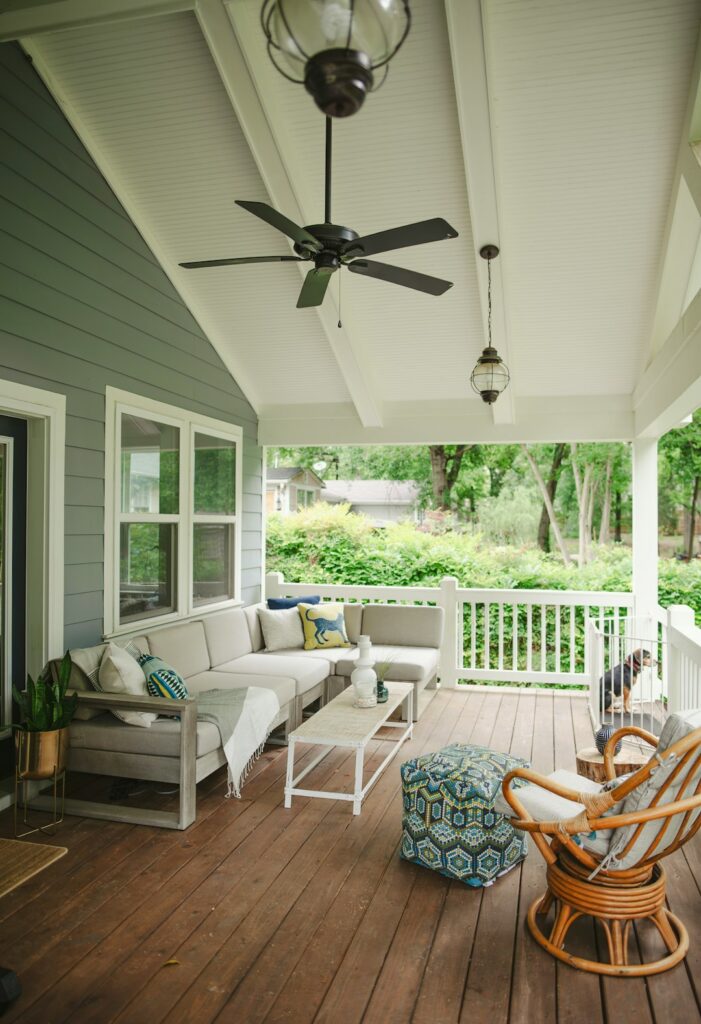
A covered patio can serve as more than a summer sitting area. With the right roof design, drainage, lighting, ventilation, furnishings, and seasonal adjustments, it can remain useful through hot afternoons, heavy rain, cool evenings, and occasional winter weather.
For households in Columbia, SC, year-round comfort depends less on adding more furniture and more on responding to the local climate. Summer heat, humidity, strong sun, frequent thunderstorms, and pollen all affect how a patio should be designed and maintained.
What makes a covered patio practical throughout the year?
A year-round patio needs protection from sun and rain without becoming dark, damp, or overly enclosed. The most useful designs balance shade, airflow, drainage, and flexibility.
Key features often include:
- A roof with adequate pitch and properly directed runoff
- Open sides or screened sections for ventilation
- Lighting for shorter winter days and evening use
- Durable flooring that tolerates moisture and temperature changes
- Furniture that can be cleaned and rearranged easily
- Electrical planning for lighting, fans, or seasonal equipment
- A transition area between the house and the yard
A roof alone does not guarantee comfort. A low, poorly ventilated cover may trap heat in summer, while an enclosed patio without appropriate moisture control can develop condensation or mildew.
Which roof styles work well for local weather?
Several roof forms can work effectively, but each creates a different balance of shade, airflow, appearance, and maintenance.
A solid insulated roof offers the strongest protection from sun and rain. It can make the patio feel more like an outdoor room, especially when paired with ceiling fans or screened openings. However, the roof should be designed to handle concentrated runoff and should not direct water toward the foundation or neighboring property.
A pergola-style structure with open slats provides partial shade and airflow. It is useful for residents who want a lighter appearance, but it offers limited protection during wind-driven rain. Adjustable louvers can provide more control, though moving parts require regular cleaning and inspection.
A roof with translucent panels can admit daylight while blocking some weather. The panels should be selected carefully because some materials transmit considerable heat. Glare and afternoon sun may also remain problems unless the patio includes shade screens, curtains, or strategically placed landscaping.
A gable or vaulted roof can improve air circulation and create space for fans or lighting. It may also require more structural material and careful resistance to wind uplift. Roof shape should be considered alongside the house, not as an isolated decorative choice.
How can a covered patio stay cooler in summer?
The most effective cooling strategy combines shade with air movement. A covered patio that blocks direct sunlight but holds stagnant, humid air may still feel uncomfortable.
Consider these design choices:
- Orient seating away from the strongest afternoon sun when possible.
- Use ceiling or wall-mounted fans rated for damp locations.
- Keep at least two sides partially open to encourage cross-ventilation.
- Choose light-colored roofing or reflective surfaces to reduce heat absorption.
- Use retractable shades on the sides exposed to low-angle sun.
- Avoid placing heat-producing equipment beneath a low roof.
- Leave space between furniture and screened walls so air can circulate.
Fans improve comfort by moving air across the skin, but they do not lower the actual outdoor temperature. They should be switched off when the patio is unoccupied to reduce energy use.
In Columbia, summer conditions can include high humidity, heat indices near or above 100 degrees, and recurring afternoon thunderstorms. ([forecast.weather.gov](https://forecast.weather.gov/product.php?format=txt&glossary=0&issuedby=CAE&product=AFD&site=OUN&version=1&utm_source=openai))
What should be planned for rain and stormwater?
Rain management is one of the most overlooked parts of a covered patio. Gutters, downspouts, splash blocks, drains, and grading should work together so water moves away from the home.
A few practical checks include:
- Confirm that the roof does not discharge water beside doors, steps, or the foundation.
- Extend downspouts far enough to prevent concentrated erosion.
- Use permeable or well-drained surfaces where appropriate.
- Inspect the area after heavy rain for pooling or muddy soil.
- Keep gutters free of leaves, pine needles, and roof debris.
- Avoid storing cushions where wind-driven rain can reach them.
Heavy rain can expose drainage problems that are not visible during dry weather. Water that repeatedly collects near a slab or crawl space may contribute to settlement, moisture intrusion, or insect activity.
Storm safety also matters. Outdoor furniture, umbrellas, lightweight screens, and decorative objects should be secured or moved before severe weather. A covered patio is not a safe shelter during lightning, high winds, or tornado conditions.
How can the space be made comfortable in cooler months?
A patio can remain useful during fall and winter if it includes several smaller comfort improvements rather than relying on a single heat source.

Outdoor-rated ceiling fans can be reversed or operated at low speed to reduce stagnant air. Removable clear panels or screened curtains can block wind while preserving visibility. Outdoor rugs may make the space feel warmer underfoot, but they should be lifted periodically so the surface beneath can dry.
If supplemental heat is considered, use only equipment specifically rated for the setting and follow clearance, ventilation, and fuel-storage requirements. Never use a charcoal grill, gas cooking appliance, or indoor-rated heater to warm an enclosed patio. Carbon monoxide can accumulate quickly in partially enclosed areas.
Furniture with washable cushions is usually more practical than heavily upholstered pieces. Store cushions in a dry, ventilated location when rain or freezing temperatures are expected.
What flooring and furnishings hold up best?
Patio flooring should resist moisture, provide dependable traction, and tolerate repeated wet-dry cycles. Smooth surfaces may become slippery when pollen, algae, or mildew accumulates. Textured concrete, properly installed pavers, and other exterior-rated materials can be practical choices when drainage is addressed.
Furniture should be selected based on exposure rather than appearance alone. Look for:
- Rust-resistant frames
- UV-resistant fabrics
- Removable, washable covers
- Feet that will not trap water against the floor
- Designs that can be anchored or moved before storms
Light-colored cushions may show pollen and mildew more readily, while very dark materials can become hot in direct or reflected sunlight. A balance of cleanability, shade, and ventilation usually matters more than a particular material category.
Do covered patios require permits in Columbia?
Many covered patio projects involve structural changes, roof construction, electrical work, drainage alterations, or additions to the home. Requirements can depend on the property’s zoning district, location, size, attachment to the house, flood conditions, and whether the work affects a right-of-way or overlay district.
The City of Columbia states that zoning permits apply to constructing, adding onto, or structurally altering residential structures. Its residential permitting materials also identify applications and checklists for additions, accessory structures, and related work. ([planninganddevelopment.columbiasc.gov](https://planninganddevelopment.columbiasc.gov/zoning-permits/?utm_source=openai))
Before construction, property owners should verify:
- Required building and zoning permits
- Setbacks from property lines
- Lot-coverage limits
- Floodplain or floodway requirements
- Electrical and gas permit requirements
- Rules for historic or design overlay areas
- Whether an encroachment permit is needed
Permit information can change, and a simple roof may be regulated differently from a detached accessory structure. Checking current requirements before purchasing materials can prevent costly redesigns.
Which year-round patio ideas are easy to overlook?
Small details often determine whether the space gets used regularly.
A lighted path from the house improves safety after dark. A dedicated place for wet shoes or garden items keeps moisture from being tracked indoors. Outdoor-rated outlets should be located where cords will not cross walking areas. A ceiling fan, shade screen, and weather-resistant storage can provide more practical value than decorative features that cannot tolerate local conditions.
It is also useful to design for cleaning. Leave access to gutters, screens, drains, and exterior walls. Avoid placing permanent furniture directly against the house where it blocks inspections or traps moisture.
A successful covered patio does not need to function like an enclosed living room in every season. It should provide shade in summer, shelter during ordinary rain, airflow in humid weather, and a manageable way to adapt when temperatures or storm conditions change.