

 See My Latest Article on HelloNation
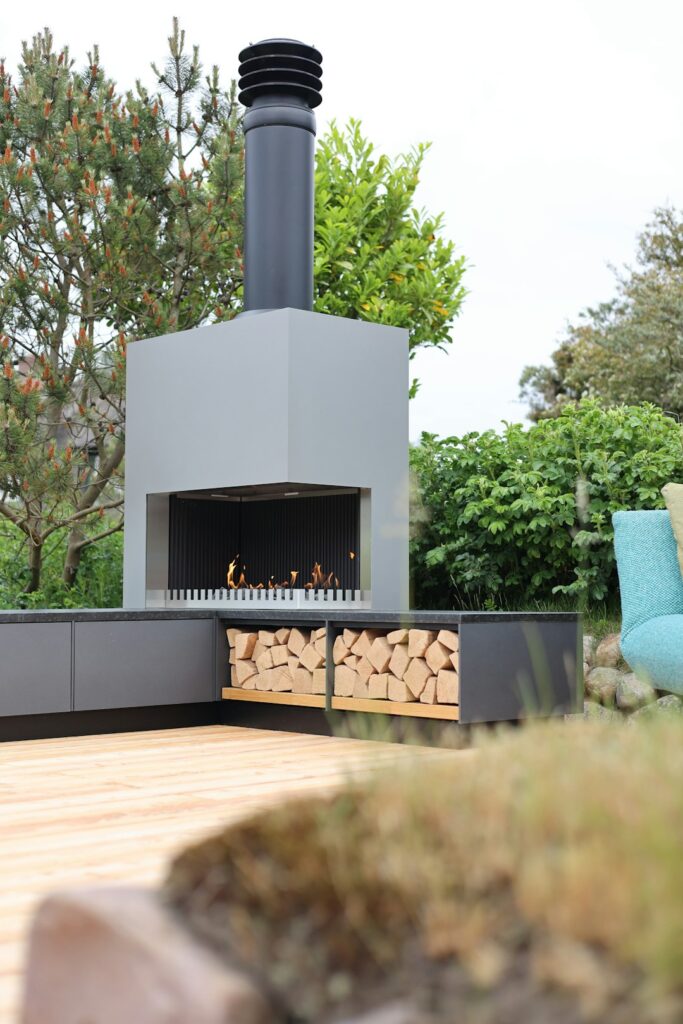
What Makes an Outdoor Living Space Ideal for Entertaining in Columbia, SC?
An effective outdoor living space balances comfort, function, and social potential. In Columbia, SC, entertaining outdoors is shaped by the region’s warm climate, frequent sunny days, and evening humidity, especially from spring through fall. Local residents often seek shaded patios, cooling features, and flexible areas for both casual gatherings and larger celebrations.
Key elements include:
- Sheltered seating for sun or summer showers
- Surfaces suited for local pollen, leaves, and rainfall
- Lighting that works for longer evenings
- Options for both cooking and relaxing outdoors
Considering local weather, bug activity, and typical yard sizes also helps prioritize features that work well in Columbia's neighborhoods.
How Can Shade and Shelter Add Comfort During Columbia’s Hot Months?
Effective shade is essential for enjoying outdoor areas in the city’s hot summers and transition seasons. Without it, outdoor gatherings may become uncomfortable or cut short.
Simple solutions include:
- Pergolas with retractable canopies or climbing vines for filtered shade
- Umbrellas positioned over dining or conversation areas
- Shade sails that can be sized for specific spaces
- Existing mature trees left intact during design whenever possible
Permanent solutions, like covered porches, help protect furniture from sun, pollen, and afternoon thunderstorms. For many households, combining both permanent and moveable shade works best since the sun’s angle changes throughout the day.
What Surfaces Work Best for Entertaining Outdoors Locally?
Surfaces must stand up to Columbia’s seasonal temperature swings, high humidity, and tree litter. For patios, decks, or hardscapes, non-slip, weather-resistant materials are safest and most practical.
Commonly used surfaces:
- Concrete or decorative concrete, which is durable and easy to sweep
- Pavers that stay cool to the touch and allow for drainage
- Composite decking (for raised decks) that resists mold and fading from strong sunlight
Gravel, while budget-friendly, can become displaced or feel uncomfortable for guests in open-toed shoes. Turf and grassy areas work for picnics or games, but require frequent upkeep due to local weeds and summer droughts.
How Should Furniture and Seating Be Arranged?
Comfortable, flexible seating is central to outdoor entertaining. Start by considering how many people you host most often. For intimate gatherings, a few chairs around a fire pit or coffee table may suffice. For larger groups, multi-zone setups—such as a dining table plus a lounge area—work well.
Columbia’s spring and summer evenings often stretch long after dinner, so incorporate seating with weather-resistant cushions and stackable chairs for extra guests. Portable benches, poufs, or stools easily adapt to different group sizes. Avoid placing furniture directly against exterior walls, where heat radiates in late afternoons.
What Outdoor Cooking Features Are Most Useful?
An inviting outdoor space often centers around food. In the city’s neighborhoods, grills are commonly used, but other options may better suit entertaining styles:
- Built-in or freestanding grills for casual meals
- Outdoor kitchen counters or bar-height tables for food prep and drink stations
- Smokers or pizza ovens for more adventurous hosts

Choose features that match the space available and typical weather patterns. Permanent installations withstand humidity and storms but may require local permitting. Moveable grills or prep carts allow for flexibility if space is limited.
Which Lighting Options Extend Evening Entertaining?
Effective outdoor lighting encourages gatherings to continue after dark. In Columbia, string lights under patio covers, lanterns, and low-voltage path lights set a relaxed tone while aiding visibility.
Consider these strategies:
- Overhead lighting on covered patios for dining or board games
- Path lights along walkways and steps for safety
- Battery-powered candles or LED lanterns to minimize bugs
Warm white or amber-toned bulbs help avoid attracting mosquitoes, which can become bothersome in certain months. Motion-activated uplighting near entrances and perimeter fences also provides security.
How Can Outdoor Living Spaces Adapt for Columbia’s Year-Round Climate?
While the area’s warm climate encourages nearly year-round use of outdoor spaces, planning for seasonal transitions is helpful. Portable heaters or fire pits take the chill off in cooler months. Insect screening—whether as temporary netting or incorporated into screened porch designs—offers relief during summer mosquito peaks.
Stowable accessories, outdoor rugs, and polyester cushion covers hold up well against local weather and can be packed away or washed after pollen-heavy weeks. Rainwater drainage is especially important for patios set below raised homes or near downspouts.
Are There Common Mistakes Local Residents Should Avoid?
Overlooking basic site prep or climate factors may lead to disappointment. Frequent missteps include:
- Choosing non-weatherproof furniture that fades, mildews, or rusts
- Insufficient drainage, leaving puddles after storms or during heavy rainfall
- Underestimating the need for shade, especially for midday or afternoon gatherings
- Neglecting insect control, which can disrupt summer evenings
Proper planning—considering how the space will look and feel on a muggy summer afternoon or after a rain shower—ensures entertaining areas remain practical, comfortable, and enjoyable for many seasons.