

 See My Latest Article on HelloNation
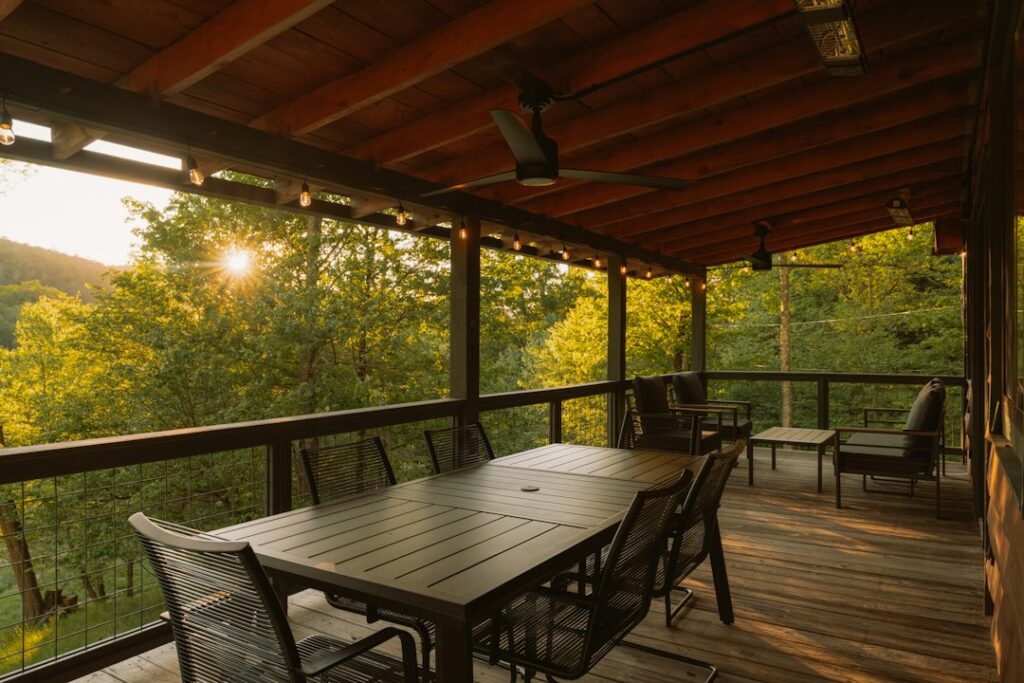
Outdoor dining works best when the space is planned around heat, humidity, insects, sudden rain, and the practical habits of the household. In Columbia, SC, a successful setup is less about formal decoration and more about shade, airflow, durable materials, convenient food service, and a layout that can be adjusted as the weather changes.
How should an outdoor dining area be positioned?
Place the dining table where it receives useful shade during the hours when meals are most likely to happen. Afternoon shade is especially valuable during the warmer months, when west-facing areas can become uncomfortable quickly.
Before arranging furniture, observe the space at breakfast, midday, and dinner. Note where sunlight falls, whether nearby walls reflect heat, and whether the area receives a breeze. A location that feels pleasant in the morning may be too bright or hot by early evening.
Good placement usually includes:
- A reasonably level surface
- A clear path between the kitchen and table
- Enough room to pull chairs out without blocking walkways
- Protection from roof runoff and dripping branches
- Distance from grills, fire features, and other heat sources
- A view or focal point that does not require guests to face direct sunlight
Avoid placing the table directly beneath trees that regularly drop sap, berries, or heavy leaves. Trees can provide welcome shade, but falling debris and bird activity may create extra cleanup during meals.
What type of shade is most practical?
A fixed roof, covered porch, pergola with a shade covering, umbrella, or adjustable canopy can all reduce heat and glare. The most practical option depends on the size of the table, wind exposure, and whether the space needs protection from rain as well as sunlight.
An umbrella works well for a smaller table because it can be repositioned or stored. It should have a stable base and be closed during strong wind or storms. A larger covered area provides more consistent protection, but it still needs open sides or good ventilation so heat does not become trapped.
Shade cloth and outdoor curtains can help with low-angle sunlight. However, solid curtains may restrict breezes if all sides are closed. In a humid climate, airflow is often more comfortable than creating a sealed outdoor room.
Shade does not always make a surface cool immediately. Pavers, brick, concrete, and dark furniture can retain heat after hours of direct sun. Allowing these materials to cool before dinner may make the area more comfortable.
How can outdoor dining stay comfortable in warm, humid weather?
Comfort depends on moving air, reducing glare, and avoiding fabrics that hold moisture. A ceiling fan rated for outdoor use can help under a covered structure, while a portable fan may improve airflow in a smaller area. Fans should be positioned to circulate air rather than blow directly across uncovered food.
Choose seating with breathable surfaces or removable cushions that can be brought indoors. Dense cushions may remain damp after rain or overnight humidity, which can lead to odors and mildew. Store cushions in a dry, ventilated location rather than sealing them in a container while they are still damp.
Light-colored table linens and dishes can reduce glare. Heat-resistant serving pieces are useful when food must remain on the table for several minutes, but hot cookware should still be placed on a stable trivet or heat-safe surface.
For evening meals, comfortable lighting matters. Use warm, low-glare fixtures around the dining area and brighter lighting only where food is being served or prepared. Excessively bright lights can attract insects and make the setting feel harsh.
How should insects and food safety be handled?
Outdoor dining requires more attention to uncovered food than indoor meals do. Keep dishes covered until serving, and return perishable foods indoors or to a properly chilled container when the meal is finished.
Helpful habits include:
- Use fitted covers, mesh food domes, or lidded serving dishes
- Wipe spills from tables and floors promptly
- Keep trash containers closed and away from the dining table
- Avoid leaving sweet drinks uncovered
- Provide a separate place for used plates and utensils
- Turn off unnecessary lights near doors and windows
Standing water in plant saucers, containers, clogged gutters, or decorative features can encourage mosquitoes. Check these areas regularly, particularly after summer rain. Screens, fans, and well-placed lighting can reduce insect activity without relying on heavy fragrances around food.
Citronella products may mask odors or discourage some insects nearby, but they are not a complete solution. Food covers, sanitation, airflow, and eliminating standing water are more dependable parts of an outdoor dining plan.
What furniture materials hold up well outdoors?
Outdoor furniture should tolerate sun, moisture, temperature changes, and frequent cleaning. No material is maintenance-free, and the best choice depends on how exposed the dining area is.
Metal furniture is often durable, but dark finishes can become hot in direct sunlight. Powder-coated surfaces may resist corrosion better than untreated metal, though scratches should be repaired before moisture reaches the underlying surface.

Wood creates a comfortable, natural appearance but requires regular cleaning and periodic maintenance. It should be allowed to dry thoroughly after rain. Plastic and resin furniture is lightweight and easy to clean, although some pieces may fade or become brittle after long exposure to strong sunlight.
Furniture should be heavy enough to remain stable during ordinary gusts but light enough to move when storms are expected. During periods of severe weather, umbrellas, lightweight chairs, cushions, and table accessories should be secured or stored.
How much space is needed around an outdoor dining table?
Allow enough room for chairs to move back and for people to walk behind seated guests. A crowded arrangement can make even a large patio feel difficult to use.
As a practical starting point, leave approximately three feet between the table edge and walls, railings, planters, or other obstacles. More space may be needed where a main walkway passes behind chairs or where guests frequently carry dishes.
Round tables can improve movement in compact areas because they eliminate sharp corners. Rectangular tables are useful for larger groups and can often be placed along the edge of a covered area. Benches may seat more people in a small footprint, but they are less convenient for guests who need back support or easy access.
Keep hot serving dishes, candles, and glassware away from the edges of the table. This is especially important when children, pets, or active walkways are nearby.
How can meals be served more efficiently?
The easiest outdoor meals are planned around minimizing trips between the kitchen and dining area. A small side table, rolling cart, or nearby serving surface can hold utensils, napkins, condiments, and drinks.
Place the dining area where it has convenient access to the home without creating a direct traffic conflict. A narrow path filled with chairs, coolers, or serving dishes becomes a tripping hazard.
Consider serving food in stages rather than placing every dish on the table at once. Keep backup portions indoors or in an insulated container, especially during hot weather. This protects food quality and leaves more usable table space.
For regular outdoor meals, maintain a small storage basket or cabinet for washable napkins, unbreakable dishes, serving utensils, and table covers. Items used frequently are more likely to stay organized when they have a dedicated location.
What should be done before rain or severe weather?
Outdoor dining furniture should be arranged so it can be cleared quickly. Weather can change quickly during warm, humid seasons, and a setup that takes thirty minutes to disassemble may not be practical.
Keep these steps simple:
- Close and secure umbrellas when wind increases
- Bring cushions, table linens, and lightweight decorations indoors
- Move electrical equipment away from wet areas
- Check that roof drainage does not discharge onto the dining surface
- Avoid using grills or electrical appliances under enclosed, poorly ventilated structures
- Wait until surfaces and furniture are dry before storing cushions
Outdoor electrical equipment should be rated for exterior use and protected by appropriate safety devices. Extension cords should not cross walking paths or remain exposed to standing water. Fire features and grills require additional clearance from structures, railings, vegetation, and combustible furniture.
A comfortable outdoor dining space does not need to be elaborate. A shaded table, breathable seating, good airflow, covered food, manageable lighting, and a quick weather-response routine usually provide the foundation for meals that are safer and easier to enjoy throughout the year.