

 See My Latest Article on HelloNation
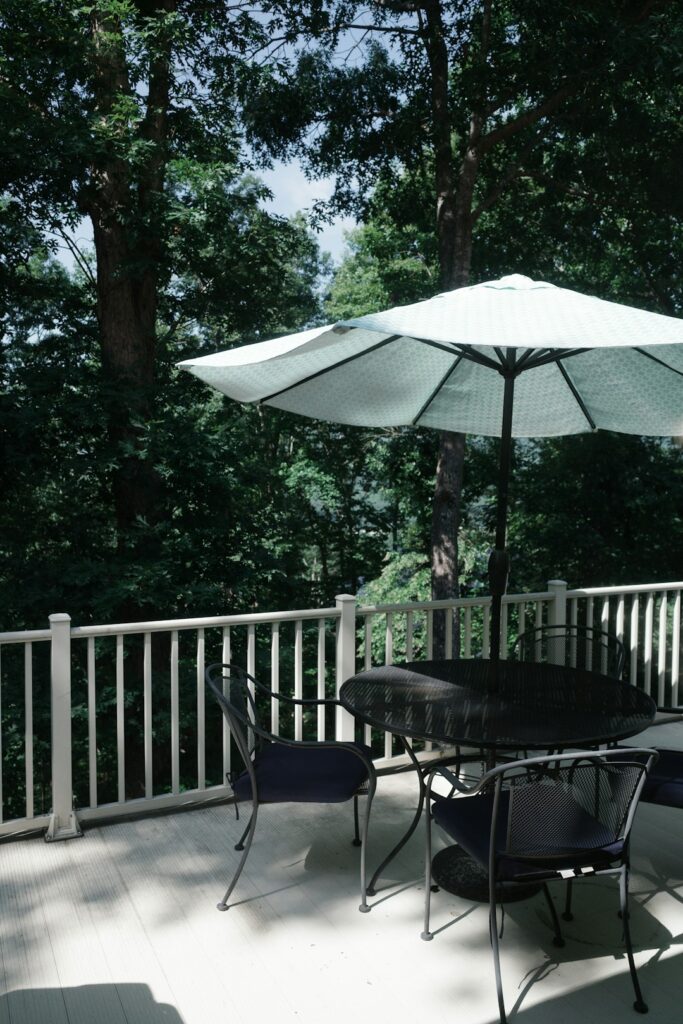
Outdoor entertaining works best when a yard or patio is organized around how people actually move, sit, eat, and gather. In Columbia, SC, that means planning for strong summer heat, sudden rain, mild shoulder seasons, and the practical limits of existing yards, porches, decks, and screened areas.
A comfortable outdoor space does not need to be large or expensive. It needs clear zones, useful shade, durable materials, good lighting, and enough flexibility to handle both everyday use and larger gatherings.
How should an outdoor space be arranged for entertaining?
The most effective arrangement usually separates the space into simple activity zones: seating, food service, circulation, and quiet areas. Guests should be able to move between these zones without walking through the middle of a conversation or blocking access to the house.
A basic layout may include:
- A central seating area for conversation
- A dining surface or serving station near the kitchen entrance
- An open path for movement
- A shaded area for guests who want relief from the sun
- A small open area for children, pets, or informal activities
Furniture should not be pushed tightly against every wall or boundary. Leaving some open space makes the area feel larger and reduces bottlenecks. A walkway should generally remain wide enough for two people to pass without turning sideways or moving chairs.
For smaller patios, multifunctional furniture can help. A bench can provide seating while also defining the edge of a gathering area. A compact table can serve as a dining surface, game table, or buffet location depending on the occasion.
How can shade and heat be managed during Columbia summers?
Shade is one of the most important features for comfortable outdoor gatherings during hot, humid weather. A space that looks attractive in the morning may become unusable in the afternoon if it receives direct sun with no relief.
Useful shade options include:
- Roofed porches or covered patios
- Shade sails or retractable coverings
- Pergolas with climbing plants or removable fabric panels
- Large umbrellas positioned over seating and dining areas
- Mature trees, where roots and falling branches are not creating hazards
Shade should cover the places where people sit, not only the edges of the patio. Dining tables and frequently used chairs deserve priority. Light-colored surfaces and breathable outdoor fabrics can also reduce heat absorption.
Air movement matters as well. Avoid blocking natural breezes with tall solid screens unless privacy or wind protection is necessary. Outdoor-rated fans can improve comfort in covered areas, but they should be installed and maintained safely, especially where moisture is present.
A common mistake is designing only for the hottest part of summer. Flexible shade allows the space to remain useful in spring and fall, when sunlight may be welcome but lower-angle rays can still make seating uncomfortable.
What is the best way to plan seating for guests?
Seating should support conversation rather than simply fill the available area. Chairs arranged in a circle or loose grouping are generally more comfortable for socializing than rows facing one direction.
A practical entertaining layout may combine:
- A sofa or built-in bench for several people
- Individual chairs that can be moved as needed
- Small side tables for drinks and personal items
- One or two extra seats stored nearby for larger gatherings
Avoid relying on one large table for every activity. A dining table is useful for meals but may limit movement and make casual gatherings feel formal. Separate seating groups give guests choices and help prevent the space from becoming crowded.
Outdoor cushions should be made from materials designed to resist moisture and fading. Even weather-resistant cushions last longer when stored in a ventilated container or protected during extended periods of heavy rain.
How should food and drinks be handled outdoors?
Food service should be close enough to the house for convenient access but far enough from the main seating area to prevent crowding. A narrow serving table, rolling cart, or sturdy outdoor counter can create a useful transition between indoor and outdoor spaces.
Keep these needs in mind:
- Provide a stable surface for serving dishes.
- Place drinks where guests can help themselves.
- Use covered containers for food during warm weather.
- Keep hot items away from areas where children may pass.
- Leave room for trash and recycling without placing bins beside the main seating group.
- Use trays or small tables to reduce repeated trips through the house.
Perishable foods require special attention in hot weather. Outdoor entertaining is safer when cold foods remain chilled, hot foods stay hot, and leftovers are moved indoors promptly. Shade slows warming but does not replace temperature control.
The location of cooking equipment also affects the layout. Heat, smoke, and grease should be directed away from seating, doors, windows, and low-hanging branches. Cooking areas need stable, noncombustible surfaces and adequate clearance.
What lighting makes an outdoor gathering more comfortable?
Outdoor lighting should make the space easy to navigate without making it feel overly bright. Use several levels of lighting rather than one powerful fixture.
A balanced plan may include:
- Low lighting along steps and walkways
- Soft overhead lighting in covered areas
- Focused light near food preparation and serving surfaces
- Gentle illumination around seating
- Motion-activated lighting near entrances for safety

Lighting should not shine directly into guests’ eyes or neighboring windows. Fixtures placed below eye level often create a more comfortable atmosphere than exposed bulbs mounted at face height.
Electrical equipment must be rated for outdoor use and protected from rain. Extension cords should not cross walkways or remain in areas where they can be damaged by lawn equipment, standing water, or foot traffic.
How can an outdoor area stay useful during rain and changing weather?
Columbia’s warm-season storms can arrive quickly, so entertaining spaces benefit from a backup plan. Covered areas, movable umbrellas, waterproof storage, and furniture that can be rearranged make it easier to continue using the space after a passing shower.
Furniture should be positioned so water does not collect beneath cushions or against the house. Check drainage around patios, steps, and low areas before adding rugs or storage containers. Standing water can create slippery surfaces and encourage insects.
Outdoor rugs may help define seating zones, but they should dry quickly and have a surface that does not become slick when wet. Avoid placing rugs where they cover drains or conceal uneven pavement.
A small indoor transition area is also useful. Guests need somewhere to leave wet shoes, umbrellas, or light jackets without blocking the main entry.
Which plants and surfaces are practical for entertaining areas?
Plants can provide shade, privacy, texture, and separation between activity zones, but they should not create constant maintenance problems. Choose placements that keep mature growth away from roofs, electrical lines, walkways, and seating.
Plants near entertaining areas should be evaluated for:
- Dropped fruit or sap
- Thorny branches
- Insect attraction
- Excessive leaf litter
- Root growth near paving
- Irrigation needs during dry periods
Hard surfaces should be comfortable to walk on and easy to clean. Very dark paving can become hot in direct sunlight, while highly polished surfaces may become slippery when wet. A slight slope for drainage is helpful, but steep or uneven transitions can make the space difficult for older adults and young children to navigate.
What safety details are often overlooked?
Good entertaining spaces reduce hazards before guests arrive. Check steps, railings, pavers, lighting, and furniture stability regularly. Keep open flames away from structures, overhanging vegetation, cushions, and crowded walkways.
Other details deserve attention:
- Secure lightweight furniture before severe weather.
- Keep grills and heat-producing equipment on appropriate surfaces.
- Store chemicals, tools, and sharp objects out of guest areas.
- Use latches or barriers where pools, ponds, or steep drops are present.
- Make sure pets have a safe place away from food and crowded circulation paths.
- Keep emergency access to the home clear.
Local rules may apply to structures, electrical work, drainage changes, fences, fire features, and property setbacks. Checking applicable requirements before construction can prevent costly changes later.
How can a small yard feel more spacious?
A small outdoor area feels larger when every feature serves more than one purpose. Use furniture with storage, foldable seating, narrow planting beds, and vertical privacy elements instead of filling the ground plane with separate objects.
Visual clutter can make a space feel crowded even when there is enough usable area. Coordinated materials, limited furniture styles, and clear walking paths create a calmer appearance. Keeping the center of the area open often improves both movement and conversation.
The most successful entertaining spaces are not necessarily the largest. They are arranged around comfort, shade, food access, weather flexibility, and safe movement. A thoughtful layout can turn a modest porch, patio, or yard into a dependable place for meals, conversations, and gatherings throughout much of the year.