

 See My Latest Article on HelloNation
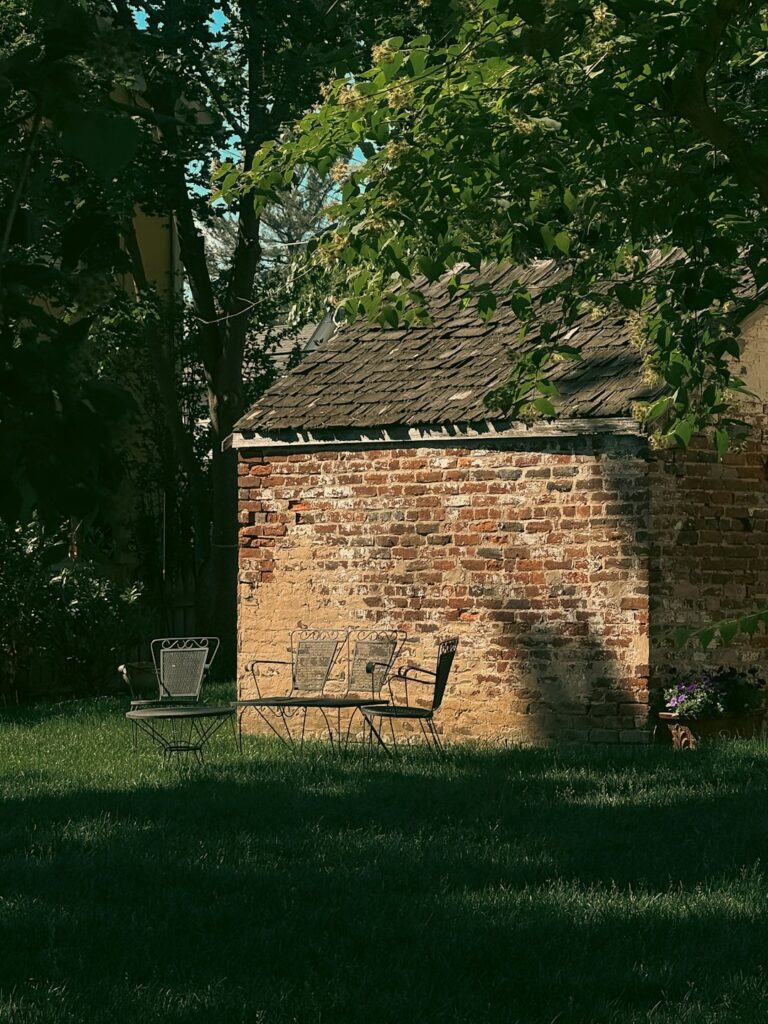
What makes an outdoor living space family-friendly?
A family-friendly outdoor living space is comfortable, easy to supervise, durable enough for everyday use, and flexible as children grow. The most successful layouts provide room for active play without sacrificing shaded seating, clear walking paths, or a quiet place for adults to relax.
In Columbia, SC, outdoor areas need to handle hot summers, strong sun, seasonal humidity, sudden thunderstorms, and periods of heavy rain. A useful design responds to those conditions instead of treating the backyard as an extension of the indoor living room.
Start by dividing the space into simple activity zones:
- A shaded sitting and dining area
- An open play space
- A place for outdoor meals or snacks
- A storage area for toys and equipment
- A clear route between the house, yard, and seating areas
The zones do not need walls or expensive features. Changes in paving, furniture placement, planting, or overhead shade can help each area feel distinct.
How can a backyard be made safer for children?
Safety improves when adults can see most of the active areas from the main seating or kitchen-facing doors. Avoid placing tall structures, dense shrubs, or solid screens where they block important sightlines.
Keep walking surfaces even and easy to recognize. Sharp transitions between grass, pavers, steps, and decks can become trip hazards, especially when children are running or the ground is wet. Use slip-resistant materials and provide adequate lighting near steps, gates, and changes in elevation.
Other practical safety measures include:
- Keep grills, fire features, and hot surfaces away from play areas.
- Use latches or barriers around pools, spas, ponds, and other water features.
- Select sturdy furniture that will not tip easily.
- Avoid exposed corners and protruding hardware in high-traffic areas.
- Store garden tools, chemicals, and fuel in a secure location.
- Check play areas regularly for standing water, loose parts, and damaged surfaces.
A family space should also have a plan for storms. Lightweight furniture, umbrellas, toys, and decorations can become airborne during strong winds. Items that cannot be stored indoors should be secured or placed in a protected area before severe weather arrives.
Which shade ideas work well in a hot climate?
Shade is essential for comfortable outdoor use during the warmer months. A covered porch, pergola with shade material, roof extension, large umbrella, or mature tree canopy can reduce heat and make outdoor meals and play more practical.
Permanent shade structures provide more consistent protection, while umbrellas and movable shade sails offer flexibility. A combination often works well: fixed shade over the main seating area and movable shade near play spaces.
Consider the direction of the afternoon sun before placing seating. A space that feels pleasant in the morning may become uncomfortably hot later in the day. Shade should also protect children’s play surfaces, since dark materials and metal equipment can become hot enough to cause burns.
Ventilation matters under covered areas. Enclosed screens or solid walls may block breezes and trap heat. Open-sided structures usually allow better airflow, although screened areas can help reduce insects during evening gatherings.
What surfaces are best for play and everyday use?

There is no single ideal surface for every family. Grass is comfortable for running and informal games, but it may become muddy after heavy rain and require regular maintenance. Mulch can cushion falls in some play areas, but it must be replenished and kept away from doors and indoor flooring.
Pavers, concrete, and other hard surfaces are useful for dining, grilling, and walking. They should be separated from active play areas when possible. Light-colored surfaces generally absorb less heat than very dark materials, but any surface exposed to summer sun should be checked before children use it barefoot.
A practical layout may place hard paving near the house for tables and meals, with a broad lawn or softer surface beyond it. Drainage should guide water away from foundations, seating areas, and play zones. Low areas that remain wet after storms can become muddy, attract insects, and limit how often the space is usable.
How can outdoor spaces support different ages?
Families often need one area to serve toddlers, school-age children, teenagers, and adults at the same time. Flexible design is more useful than building a space around a single activity.
For younger children, prioritize visibility, soft play surfaces, shade, and a nearby place for supervision. Older children may need open space for games, a table for crafts, or seating where they can read and socialize. Adults may prefer a dining table, comfortable chairs, or a quieter edge of the yard.
Movable furniture helps the space change as needs shift. Lightweight stools, folding tables, outdoor cushions, and storage benches can support meals, games, homework, or gatherings without permanently defining the layout.
A simple open area can serve as a play zone during the day and a gathering space in the evening. Avoid filling every part of the yard with built-in features. Unprogrammed space is often the most useful part of a family landscape.
How can families make the space easier to maintain?
Low-maintenance design does not mean eliminating plants or outdoor activities. It means reducing the number of areas that require constant attention.
Choose durable furnishings, washable fabrics, and materials that can tolerate sun and rain. Provide a convenient place for toys, sports equipment, cushions, and outdoor games so the area can be cleared quickly before storms.
Planting can also support family use. Avoid thorny plants beside walkways and play areas. Keep low branches trimmed where children run, and select plants that are not known to be highly irritating or toxic. A mix of shade trees, shrubs, and groundcover can help reduce bare soil and erosion while adding privacy.
Because warm, humid weather can encourage mosquitoes, remove standing water from containers, toys, saucers, and clogged drainage areas. Good airflow, properly draining surfaces, and routine yard checks are more useful than relying on decorative water features that are difficult to maintain.
What outdoor features are worth prioritizing?
The most useful features are usually the ones that improve comfort, supervision, and everyday convenience.
A shaded seating area is often more valuable than a large collection of built-in amenities. A durable dining surface can support family meals, crafts, and games. Low-voltage pathway lighting can make evening movement safer, while simple storage prevents clutter from spreading across the yard.
If adding a fire feature, place it well away from structures, plants, play equipment, and combustible furniture. Follow current safety requirements and never leave children near an active fire unattended.
Before changing grades, adding major drainage features, installing structures, or building near property lines, check applicable local requirements. Safety and compliance matter more than maximizing the number of features.
The best family outdoor spaces are not necessarily the largest. They are arranged so children have room to move, adults can supervise comfortably, shade is available during hot weather, and the area can be reset quickly after meals, play, or storms.