

 See My Latest Article on HelloNation
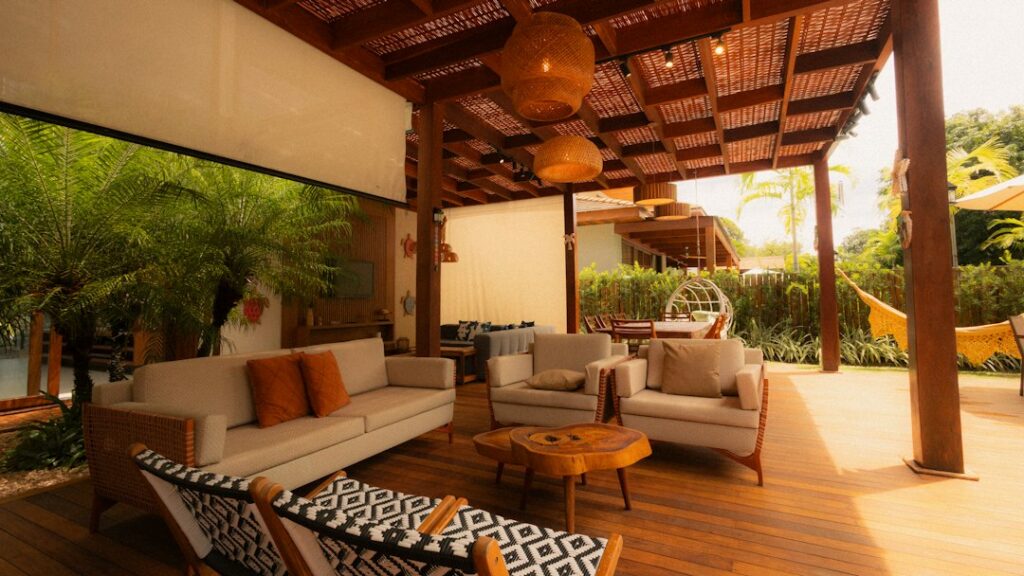
Outdoor rugs can make a patio, screened porch, balcony, or backyard seating area feel more finished, but appearance is only part of the decision. In Columbia, SC, an outdoor rug also needs to handle strong sun, heavy rain, humidity, tracked-in soil, and seasonal pollen without becoming difficult to clean.
The most durable choice is usually a rug made from a weather-resistant synthetic fiber with a low profile, strong color stability, and enough airflow beneath it to dry after rain.
What makes an outdoor rug durable?
A durable outdoor rug resists moisture, fading, mildew, stains, and abrasion. No rug is completely maintenance-free, but construction and material make a major difference.
Look for these characteristics:
- Polypropylene or other weather-resistant synthetic fibers
- Solution-dyed color, which helps the color remain part of the fiber rather than sitting only on the surface
- A flatweave or low-pile construction
- A tightly bound edge that is less likely to curl or unravel
- A backing that does not trap excessive moisture
- A size and weight that will remain stable in ordinary wind
Flatweave rugs are often more practical outdoors than thick, soft-pile styles. They dry faster, shed less debris, and are easier to sweep or rinse. A thicker rug may feel comfortable underfoot, but it can hold water longer and become harder to move for cleaning.
Which outdoor rug materials perform best?
Polypropylene is a common choice for patios and porches because it resists water, stains, and fading while remaining relatively lightweight. It is also available in many patterns and colors. Its main limitation is that it can still develop mildew or odor if dirt and moisture remain trapped underneath.
Polyester can provide bright color and a softer surface, although its long-term performance varies by construction and exposure. It may be a reasonable option for a covered porch where direct sun and standing water are limited.
Recycled plastic rugs are useful for households that want a durable, hose-cleanable surface. They often resemble woven fabric and can be comfortable enough for outdoor seating areas. Some may feel slightly rougher or less flexible than conventional rugs.
Natural fibers such as jute, sisal, cotton, and untreated wool generally require more protection from moisture. They can work in a fully covered, well-ventilated area, but they are less dependable for an exposed patio. Repeated wetting can lead to staining, odor, shrinking, or mildew.
What size rug works best for a patio or porch?
The right size depends on how the furniture is arranged, not only on the dimensions of the space. A rug should usually be large enough to connect the seating rather than appear like a small island beneath a coffee table.
For a compact seating area, the front legs of chairs and a sofa can rest on the rug. In a larger arrangement, placing all furniture legs on the rug creates a more unified appearance and reduces the chance of chairs catching on the edge.
Before purchasing, measure the furniture footprint and add room for movement. Leave enough exposed flooring around the rug for drainage, sweeping, and access to doors or screens. A rug pressed tightly against a wall or threshold may collect leaves and moisture.
Outdoor rugs should not block door swings, cover drainage paths, or create a raised edge where people regularly walk. These practical details matter more than following a fixed decorating rule.
Are dark or light colors better outdoors?
Color affects both appearance and maintenance. Light-colored rugs can make a shaded porch feel larger and may show less fading, but they reveal mud, food spills, and pollen more quickly. Very dark rugs can hide soil but may become noticeably hot in direct summer sun.
Medium tones, muted patterns, and mixed-color designs are often easier to live with. A pattern can disguise small amounts of dust and leaf debris between cleanings. Blue, green, tan, gray, and terracotta-based designs can complement brick, concrete, wood, or painted outdoor furniture without making the rug the only visual focus.
Strong sunlight can fade any outdoor textile over time. Even a fade-resistant rug may last longer when used beneath a roof, shade structure, or tree canopy. Keep in mind that filtered sunlight still contributes to fading, especially during long summer afternoons.
How should an outdoor rug be maintained?
Routine care is simple but should be consistent. Sweep or shake the rug regularly to remove leaves, pollen, sand, and soil. Allowing debris to remain under furniture can create darkened areas and restrict drying.
For a deeper cleaning:
1. Move the rug to a clean surface with good drainage.
2. Shake or sweep away loose debris.
3. Rinse with a garden hose if the care instructions allow it.
4. Use mild soap and a soft brush for stains.
5. Rinse thoroughly so soap does not remain in the fibers.
6. Hang or lay the rug flat until both sides are completely dry.
Avoid storing or rolling the rug while it is damp. Moisture trapped in a roll can produce mildew odors and discoloration. Avoid harsh bleach unless the manufacturer specifically permits it, since strong chemicals may weaken fibers or damage nearby surfaces.

In humid weather, periodically lift the rug and inspect the underside. This is especially useful on concrete, composite decking, or areas that receive rain but dry slowly.
Does an outdoor rug need a pad?
A rug pad is not always required, but the right pad can improve safety and extend the rug’s life. Outdoor pads help reduce sliding, improve air circulation, and prevent the rug from rubbing directly against the surface below.
Choose a pad designed for outdoor use. Indoor felt pads or solid rubber sheets may retain water and encourage staining or mildew. A breathable, open-grid style is generally more suitable for a patio or porch.
A pad is particularly helpful on smooth concrete, painted wood, tile, or composite decking. It may be less necessary on rough masonry or textured surfaces, although the rug should still be checked for movement and trapped moisture.
What should Columbia households consider?
The local climate makes moisture management especially important. Hot, humid conditions can slow drying, while summer storms may soak a rug quickly. Pollen, leaves, and fine soil can also collect beneath furniture and along rug edges.
On an uncovered patio, select a rug that can be lifted and rinsed without much effort. A manageable size is often more useful than a large statement rug that requires several people to move. On a screened porch, a slightly softer design may be appropriate, but ventilation still matters after wind-driven rain.
Homes with dogs or children may benefit from low-pile, patterned rugs that tolerate frequent cleaning. Households with outdoor dining furniture should prioritize stain resistance and a surface that allows chairs to slide without catching.
What common mistakes shorten an outdoor rug’s life?
The most frequent mistake is treating an outdoor rug like a permanent floor covering. Rugs last longer when they are lifted, cleaned, and allowed to dry rather than left in place through every season.
Other common problems include:
- Choosing a natural-fiber rug for an exposed, wet location
- Placing a rug directly over a surface that stays damp
- Using an indoor pad outdoors
- Selecting a rug that blocks a drain or door
- Leaving leaves and pollen underneath for long periods
- Scrubbing aggressively and damaging the weave
- Storing the rug before it is fully dry
A well-chosen outdoor rug should be attractive, but it should also fit the way the space is used. Material, exposure, drainage, size, and cleaning habits usually matter more than the pattern alone.